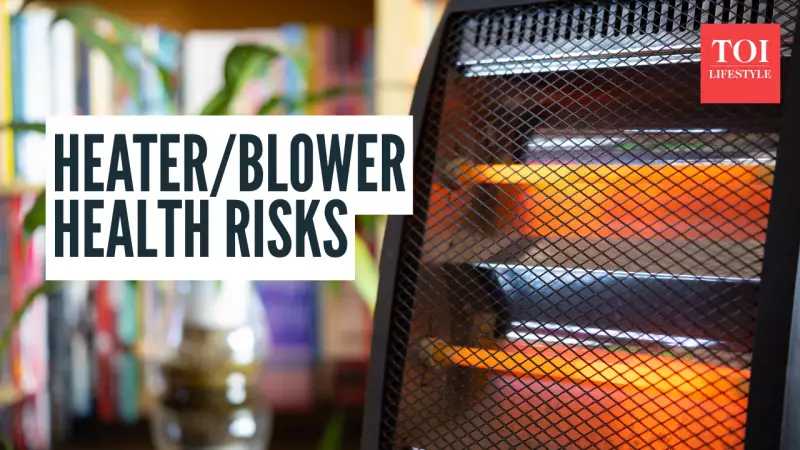
The comforting warmth of a heater or blower on a cold winter night might seem like the perfect remedy for the chill. However, this common practice hides a range of significant health dangers that many are unaware of. Medical experts and recent studies warn that this habit can lead to complications ranging from disrupted sleep to life-threatening situations.
Respiratory Distress from Dry Air
One of the most immediate effects of using a heater overnight is the drastic reduction in indoor humidity. Heaters and blowers create a dry indoor environment, which scientific reviews link directly to respiratory irritation and discomfort. This dry air impairs the body's natural defence system by drying out the protective mucus membranes in the nose and throat.
As a result, individuals become more susceptible to a sore throat, persistent coughing, and general airway irritation. This is particularly problematic during winter months when heating is used extensively, creating a cycle of discomfort for occupants.

Poor Sleep Quality and Frequent Awakenings
Your body requires a specific thermal environment to achieve deep, restorative sleep. While heaters provide warmth, they often interfere with the body's natural temperature regulation process during sleep. Rooms that become too warm or too dry can severely fragment sleep.
Studies on indoor climate confirm that such conditions make it harder to fall asleep, cause frequent awakenings, and reduce overall sleep efficiency. People end up spending more time in lighter sleep stages and miss out on the crucial restorative rest, which can be especially challenging for those with pre-existing sleep issues.
Triggering Allergies and Irritants
Indoor air quality often deteriorates with continuous heater use. Research indicates that heating systems, combined with poor ventilation, can stir up and increase the concentration of airborne particulate matter. A study focused on heated indoor environments found that occupants reported higher instances of sneezing, coughing, and respiratory discomfort directly correlated to heater use in winter.
The Silent Killer: Carbon Monoxide Risk
Perhaps the most severe risk comes from fuel-burning heaters. As highlighted in a January 2025 report in the Kashmir Observer, doctors in Kashmir have issued urgent warnings about using unvented gas heaters in enclosed spaces. These devices produce carbon monoxide (CO), a toxic, colourless, and odourless gas.
In a poorly ventilated room, CO can accumulate to dangerous levels while you sleep. Even low-level exposure overnight can lead to symptoms like headaches, dizziness, nausea, and fatigue. Higher concentrations are potentially fatal, making this a critical concern for households relying on such heaters.
Understanding these risks is the first step toward a safer winter. Ensuring proper ventilation, using humidifiers, opting for safer heating alternatives, and never sleeping with fuel-based heaters in closed rooms are essential precautions. The temporary comfort is not worth compromising your long-term health and safety.