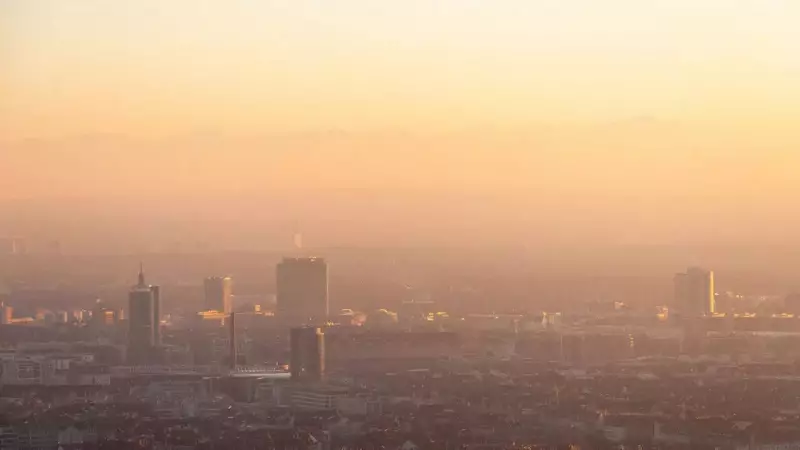
Air pollution has escalated into one of India's most critical environmental and public health emergencies, with recent data revealing alarming conditions across northern regions. The Central Pollution Control Board (CPCB) reports indicate multiple cities in Uttar Pradesh are experiencing dangerously high concentrations of harmful particulate matter in the atmosphere.
Greater Noida Emerges as Pollution Epicenter
According to the latest air quality assessment released by the Central Pollution Control Board, Greater Noida has claimed the dubious distinction of being the most polluted city in the latest evaluation. Recorded on November 18, 2025, at 4 PM, the city registered a frightening Air Quality Index of 454, catapulting it into the Severe category.
This hazardous level indicates that even individuals without pre-existing health conditions may suffer adverse effects from exposure. People with respiratory or cardiac ailments face substantially elevated risks. The dominant pollutant identified as PM10 underscores the critical nature of the air quality crisis in Greater Noida.

Northern Cities Grapple with Dangerous Air Quality
The CPCB data reveals several urban centers in northern India battling poor to severe air conditions. Following Greater Noida, Ghaziabad recorded an AQI of 434, also placing it in the Severe category with dangerous levels of both PM2.5 and PM10 particulate matter.
Other significantly affected areas include:
- Delhi: AQI 374 (Very Poor)
- Noida: AQI 390 (Very Poor)
- Meerut: AQI 376 (Very Poor)
- Baghpat: AQI 397 (Very Poor)
- Hapur: AQI 398 (Very Poor)
Multiple districts across the region continue to oscillate between Very Poor and Poor air quality classifications, creating a widespread public health challenge.
Understanding the Severe Health Implications
When air quality reaches the Severe category (401-500 range), the consequences extend beyond vulnerable populations to affect healthy individuals. The CPCB health advisory clearly outlines the dangers at this level.
Severe AQI impacts include:
- Serious respiratory discomfort for all exposed individuals
- Aggravation of existing conditions like asthma and bronchitis
- Increased risk of heart disease complications
- Heightened hospitalization probabilities
- Danger from prolonged outdoor exposure
The situation demands immediate attention from both authorities and residents to mitigate health risks.
Root Causes of the Pollution Crisis
Several interconnected factors contribute to the dangerously high pollution levels in Greater Noida and Ghaziabad:
Rapid urban development generates substantial construction dust and particulate matter from real estate expansion projects and industrial zones.
Traffic emissions from thousands of diesel vehicles, commercial transport, and congested highways surrounding the National Capital Region significantly worsen air quality.
Seasonal weather patterns during winter months create temperature inversions that trap pollutants near ground level, compounded by increased biomass burning and low wind speeds.
The combination of these elements creates a perfect storm for hazardous air conditions that persist throughout the winter season.
Protective Measures for Residents
While long-term solutions require government intervention and policy changes, individuals can adopt several protective measures:
Residents should wear N95 or N99 masks during peak pollution hours and consider using air purifiers indoors. Avoiding early morning outdoor activities when pollution concentrations are typically highest can reduce exposure.
Keeping doors and windows closed during AQI spikes and maintaining indoor moisture levels with humidifiers also helps minimize health risks. Monitoring real-time air quality data enables informed decisions about outdoor activities.

As northern India confronts this escalating environmental challenge, the CPCB data from November 18, 2025, confirms Greater Noida as the current pollution epicenter, with Ghaziabad close behind. Both cities remain in the Severe category, necessitating urgent personal precautions and governmental action to safeguard public health and reverse this dangerous trend.