

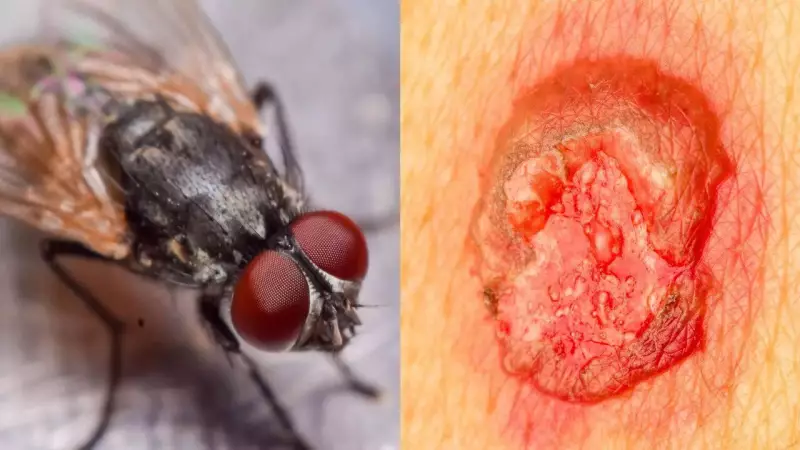
The unsettling idea of a fly laying eggs in an open wound is a disturbing reality, particularly prevalent in India's hot and humid climates where flies thrive. Uncovered injuries, surgical wounds, ulcers, or even simple cuts can attract specific fly species drawn to moisture and exposed tissue.
Understanding the Risk of Myiasis
Leaving a wound unclean or improperly covered significantly increases the risk of infestation. Understanding what happens if a fly lays eggs in your wound is crucial, as early intervention can prevent the situation from escalating and protect surrounding skin and tissue from severe damage. A peer-reviewed review by Francesconi and Lupi in the International Journal of Dermatology explains that fly larvae cause a condition called cutaneous myiasis by invading living or necrotic tissue. This often leads to inflammation, pain, and secondary infection if not treated promptly.
Recognizing the Early Signs of Infestation
Certain flies are adept at identifying weak spots in the skin, especially when wounds are moist, dirty, or left uncovered. The process begins rapidly; eggs can hatch into tiny larvae within hours. In these initial stages, the larvae are often difficult to see. However, people may notice mild itching, discomfort, or a strange crawling sensation. The wound might also appear more moist than usual or produce an unusual odour compared to normal healing. At this point, intervention is straightforward. Thoroughly cleaning the wound and removing any debris can prevent the larvae from developing further.

When Larvae Begin Feeding and Burrowing
As the larvae start feeding, the changes become more pronounced. A key stage of what happens if a fly lays eggs in your wound is the larvae feeding on dead tissue and sometimes burrowing shallowly into the skin. This activity causes redness, swelling, and increased irritation. Many people report a distinct sensation of movement inside the wound, which is often the moment they realize something is seriously wrong. The longer the larvae remain, the more tissue damage they can create, with some species even forming small tunnels or holes.
The Dangers of Infection and Tissue Damage
Infection is one of the most severe consequences. Flies can carry bacteria, and the larvae introduce these microbes into the tissue while feeding. Symptoms of a resulting infection include significant swelling, redness, a foul smell, increased discharge, and pain or tenderness. If left untreated, this infection can spread deeper into the tissue or even enter the bloodstream. Delayed treatment allows larvae to mature and multiply, causing deeper destruction. Individuals with diabetes, poor circulation, or compromised immunity are at a much higher risk of severe complications, sometimes requiring surgical cleaning.
Essential Prevention Strategies
Prevention is always far easier than treatment. To avoid the risks associated with fly eggs in wounds, follow these essential steps:
- Clean wounds immediately with an antiseptic solution.
- Keep wounds covered with sterile dressings at all times.
- Change bandages regularly to maintain cleanliness.
- Avoid exposing wounds outdoors, especially near garbage or stagnant water.
- Maintain good personal hygiene to deter flies.
While the thought is unsettling, understanding the process empowers you to act. Always clean and cover any wound, monitor for unusual sensations, and never ignore persistent itching, redness, or movement. With prompt and proper care, even advanced cases can be effectively treated, ensuring safe and complete healing.






