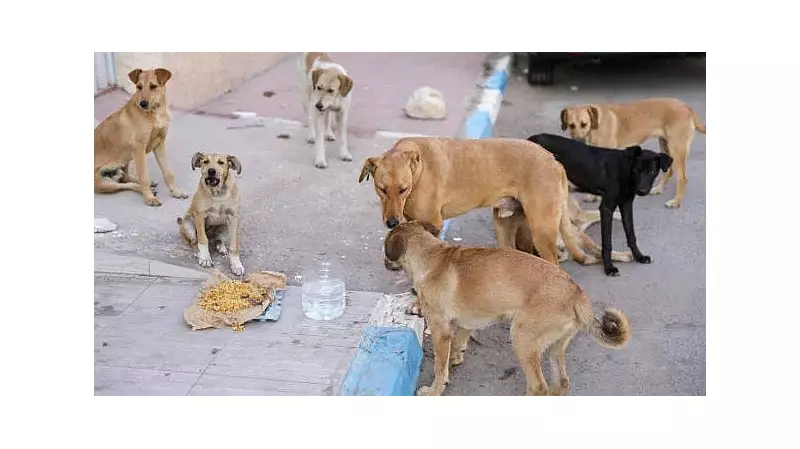
A comprehensive dog census has been identified as fundamental to the success of Animal Birth Control programmes across India, according to recent findings from policy experts.
Rabies Death Statistics Revealed
Experts from the Esya Centre, a New Delhi-based non-profit think tank, have presented concerning data about rabies-related fatalities in the country. Between 2022 and 2025, India recorded 126 deaths due to rabies, based on government statistics analyzed by the organization.
The data reveals a significant regional variation in rabies incidents. Delhi reported zero rabies-related deaths during the same four-year period, standing out as a notable exception in the national landscape of the disease.

The Critical Role of Dog Census
The report emphasizes that without accurate data on stray dog populations through systematic counting, Animal Birth Control programmes cannot achieve their intended impact. Proper enumeration allows authorities to implement targeted sterilization efforts and vaccination campaigns more effectively.
The absence of reliable dog population data hampers resource allocation and makes it difficult to measure the true effectiveness of control measures. Experts argue that regular censuses would enable better planning and monitoring of animal birth control initiatives nationwide.
Implications for Public Health Policy
These findings come at a crucial time when urban centers across India are grappling with managing stray dog populations while ensuring public health safety. The successful containment of rabies in Delhi provides a model that other cities could potentially emulate.
The report suggests that integrating dog census data with birth control programs could significantly reduce both animal overpopulation and rabies transmission. This approach represents a more sustainable and humane method of addressing the challenges posed by stray dogs in urban environments.
Policy makers and municipal authorities are being urged to prioritize systematic dog counting as the foundation for any effective animal population management strategy moving forward.