Delhi's Toxic Air Crisis: Protecting Our Elderly Population
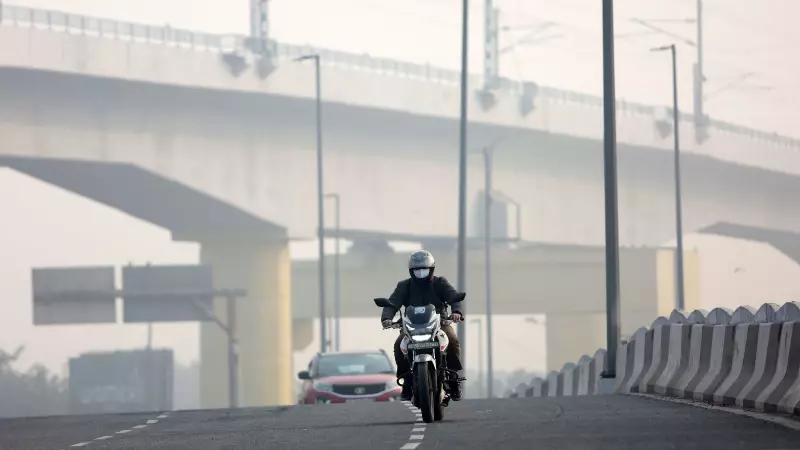
As Delhi's air quality continues to deteriorate, medical experts are raising urgent concerns about the impact on senior citizens, who face the highest health risks during the pollution season. Dr Rajesh Chawla, Senior Consultant in Pulmonology and Critical Care at Indraprastha Apollo Hospital, has provided a comprehensive safety checklist specifically designed for elderly residents navigating the capital's hazardous air conditions.
Why Pollution Poses Greater Threats to Older Adults
The elderly population faces significantly higher risks because their bodies undergo natural aging processes that make them more vulnerable. According to Dr Chawla, aging naturally weakens the lungs, heart, and immune system, creating a perfect storm of vulnerability when combined with Delhi's polluted air.
The microscopic particles present in polluted air easily penetrate the respiratory system, causing irritation and inflammation in the airways. This makes breathing considerably more difficult for older adults. The situation becomes particularly dangerous for those already managing chronic conditions like asthma, Chronic Obstructive Pulmonary Disease (COPD), heart disease, or diabetes.

Pollution adds substantial stress to bodies already coping with long-term health challenges. Elderly lungs require more time to clear irritants, leading to rapid worsening of symptoms including persistent cough, breathlessness, burning eyes, and general fatigue. Prolonged exposure to poor air quality can trigger flare-ups of existing diseases and increase infection susceptibility.
Rising Health Concerns in Medical Facilities
Hospitals across Delhi are witnessing a noticeable increase in elderly patients seeking treatment for pollution-related health issues. Outpatient departments report growing numbers of senior citizens complaining of persistent cough, chest tightness, wheezing sounds, worsening breathlessness, and sleep disturbances caused by breathing discomfort.
Those with pre-existing lung conditions like asthma or COPD are experiencing more frequent and severe flare-ups that demand immediate medical attention. The problem extends beyond respiratory issues, as polluted air weakens the body's natural defenses, making elderly individuals more susceptible to viral infections.
Some older adults with heart conditions are reporting palpitations and unusual fatigue, symptoms directly linked to poor air quality affecting oxygen supply and placing additional strain on the cardiovascular system.
Essential Protective Measures for High-Risk Groups
Individuals with co-morbid conditions such as diabetes, hypertension, and asthma need to exercise extreme caution during peak pollution periods. Their bodies already manage constant internal stress, and pollution adds an external burden that can quickly overwhelm their systems.
Critical precautions include: maintaining regular medication schedules, keeping rescue inhalers readily accessible, and attending all scheduled medical check-ups. Even minor lapses in management can lead to significant symptom escalation.
Staying indoors during high pollution hours, using air purifiers where possible, and wearing properly fitted N95 masks when venturing outside can substantially reduce harmful exposure. Adequate hydration helps keep airways moist and less prone to irritation from pollutant particles.
Optimal Timing for Outdoor Activities
Air quality typically reaches its most favorable levels between late morning and early afternoon, making this the safest window for outdoor activities. Early mornings and evenings generally record the highest pollution concentrations because cooler atmospheric conditions trap harmful particles closer to ground level.
Elderly individuals and those with health conditions should avoid outdoor walks when visibility is poor or when strong smoke or dust odors are detectable in the air. Consulting the daily Air Quality Index before planning outdoor activities provides valuable guidance for making safer decisions.
On days when pollution levels reach dangerous heights, indoor walking in well-ventilated spaces, shopping malls, or long corridors offers a healthier alternative to outdoor exercise.

The Important Role of Flu Vaccinations
Medical facilities across Delhi are observing increased demand for flu shots as awareness grows about infection spikes during winter and high pollution months. Many elderly individuals are proactively seeking vaccination as part of their seasonal health preparation.
While flu vaccines don't provide direct protection against pollution effects, they play a crucial role in preventing influenza infections that can become severely complicated when lungs are already irritated by poor air quality. A simple viral infection can rapidly escalate into serious illness under these conditions.
The flu shot serves as an additional protective layer, reducing risks of complications, hospitalizations, and worsening of existing asthma or heart conditions. This preventive measure becomes particularly valuable for elderly citizens navigating Delhi's challenging pollution season.