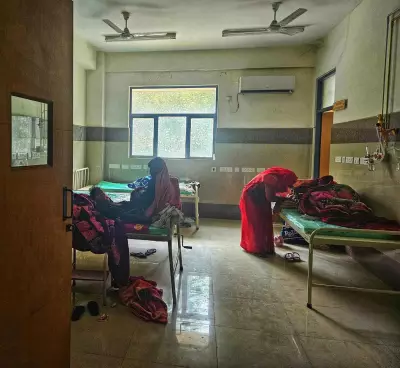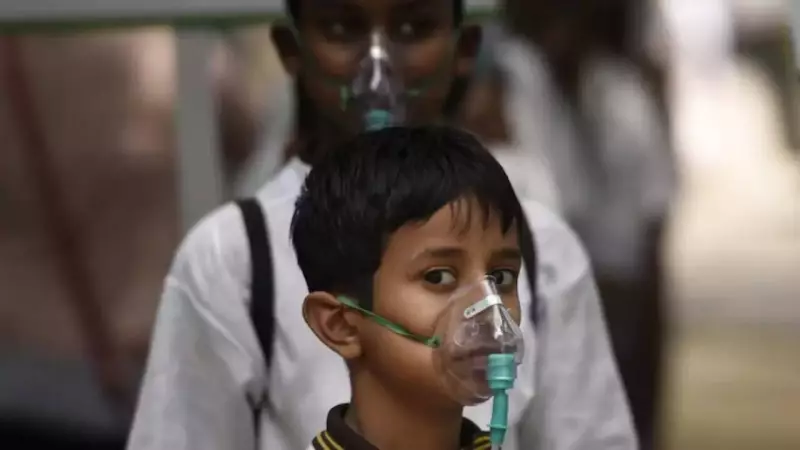
Delhi is grappling with a severe public health emergency as toxic smog blankets the city, leading to a dramatic 90% increase in respiratory illnesses among both children and adults. Health experts monitoring outpatient departments (OPDs) have reported this alarming surge, attributing it directly to the city's consistently hazardous air quality levels.
Why Delhi's Air is Choking Its Residents
The capital's winter air crisis is a complex mix of local and regional factors. Transport emissions, industrial smoke, construction dust, and crop burning in neighbouring states combine with unfavourable meteorological conditions that trap poisonous pollutants close to the ground. The most dangerous of these are fine particulate matter known as PM2.5. These microscopic particles penetrate deep into lung tissue and can even enter the bloodstream, causing significant inflammation and respiratory distress.
While children, the elderly, and those with pre-existing conditions are most vulnerable, doctors note that even previously healthy adults are now reporting symptoms. Common complaints include persistent chest tightness, wheezing, severe cough, eye irritation, and pronounced difficulty in breathing.

Simple and Effective Home Remedies to Combat Pollution Effects
With medical facilities under strain, healthcare professionals are advocating for the use of simple home-based interventions to alleviate symptoms and bolster lung health. These remedies can offer significant relief when outdoor air quality is poor.
1. Steam Inhalation and Salt Water Gargles
Inhaling steam is one of the most immediate ways to soothe irritated airways. The warm moisture helps loosen mucus and decongest nasal passages. For enhanced effect, add a few drops of eucalyptus or peppermint oil to a bowl of hot water, drape a towel over your head, and inhale the vapours for 5-10 minutes. Complement this with gargling warm salt water several times a day to reduce throat inflammation and flush out pollutant particles.
2. Dietary Shields: Hydration and Antioxidants
Staying well-hydrated thins mucus, allowing the body to clear pollutants more effectively. Drink plenty of water, herbal teas, and warm fluids throughout the day. Incorporate drinks with ginger, turmeric, lemon, and honey for their anti-inflammatory and immune-boosting properties. Furthermore, consume a diet rich in antioxidants from foods like oranges, blueberries, spinach, almonds, and pomegranates to combat oxidative stress caused by pollution and protect respiratory tissues.
3. Indoor Air Purification and Breathing Exercises
Creating a clean air sanctuary at home is crucial. Keep windows closed during high pollution hours, use air purifiers with HEPA filters, and avoid indoor pollutants like incense or aerosol sprays. Houseplants such as snake plants and aloe vera can also help. To strengthen lung capacity, practice breathing exercises like Anulom Vilom (alternate nostril breathing) and deep diaphragmatic breathing for 10-15 minutes daily to improve oxygen flow and reduce breathlessness.
Essential Precautions and When to Seek Medical Help
On days when the AQI is severe, it is imperative to limit outdoor activities, especially during morning and evening hours. If venturing out is unavoidable, wear a properly fitted N95 or N99 mask that can filter out PM2.5 particles; cloth masks offer inadequate protection. Traditional practices like drinking warm turmeric milk at night can also soothe airways.
While these home remedies are supportive, they are not a substitute for professional medical care. Health experts warn that if symptoms persist or worsen—such as experiencing acute difficulty in breathing, chest pain, high fever, or a cough that doesn't subside—one must consult a doctor immediately. This is particularly vital for individuals with asthma, COPD, or heart conditions.
The current situation, reported on December 16, 2025, underscores a critical need for both immediate personal protection and long-term solutions to Delhi's perennial air quality disaster.