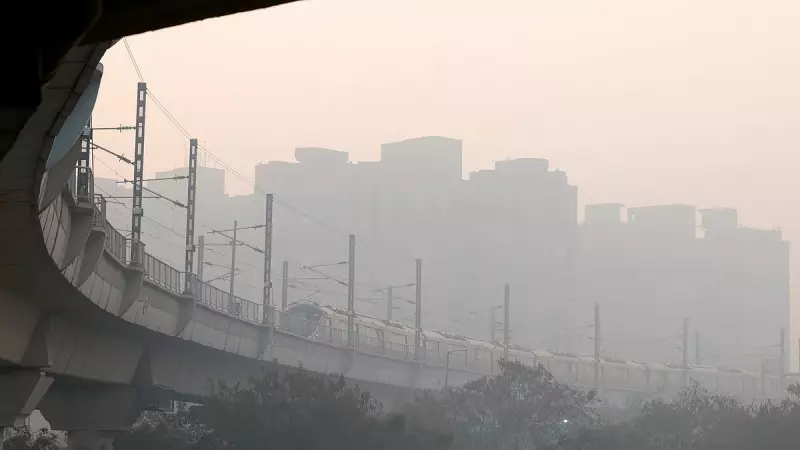
A recent comprehensive analysis has revealed alarming findings about India's air quality crisis, with Delhi emerging as the worst-performing city in terms of PM2.5 pollution levels. The study, published on November 25, 2025, indicates that a staggering 447 districts across the country have breached the national air quality standards, painting a grim picture of the nation's environmental health.
National Air Quality Crisis Exposed
The analysis, which examined air quality data from districts nationwide, found that Delhi recorded the highest levels of PM2.5 pollution, making it the most polluted urban center in the country. This finding comes as a significant concern for public health officials and environmental experts who have been monitoring the capital's deteriorating air quality over recent years.
Beyond the national capital, the study identified several states with multiple districts failing to meet air quality standards. Assam led this concerning list with 60 districts exceeding the national standard, followed closely by Bihar with 59 districts, West Bengal with 57 districts, and Punjab with 56 districts. The northeastern states of Meghalaya and Nagaland also showed significant air quality issues, with 53 and 52 districts respectively breaching the prescribed norms.

Regional Breakdown of Pollution Hotspots
The data reveals a widespread air quality crisis affecting both northern and eastern regions of India. The concentration of polluted districts in Assam, Bihar, and West Bengal suggests regional patterns of environmental degradation that require targeted intervention strategies.
In Punjab, the high number of non-compliant districts highlights the persistent challenge of agricultural burning and industrial pollution that has plagued the state for years. The situation in northeastern states like Meghalaya and Nagaland indicates that air quality issues are not confined to traditionally industrialized regions but affect ecologically sensitive areas as well.
Implications and Required Action
The breach of national air quality standards across 447 districts represents a significant public health emergency. PM2.5 particles, which are fine particulate matter measuring 2.5 micrometers or less in diameter, pose severe health risks as they can penetrate deep into lungs and enter the bloodstream.
Medical experts warn that prolonged exposure to high PM2.5 levels can lead to respiratory diseases, cardiovascular problems, and increased mortality rates. The widespread nature of the pollution problem suggests that comprehensive national strategies rather than piecemeal regional approaches are necessary to address this environmental crisis effectively.
The analysis underscores the urgent need for coordinated action between central and state governments, implementation of stricter emission controls, promotion of cleaner technologies, and increased public awareness about air quality management. With the data now clearly highlighting the scale of the problem, environmental agencies face increased pressure to develop and enforce effective solutions to protect public health across India's most affected regions.