

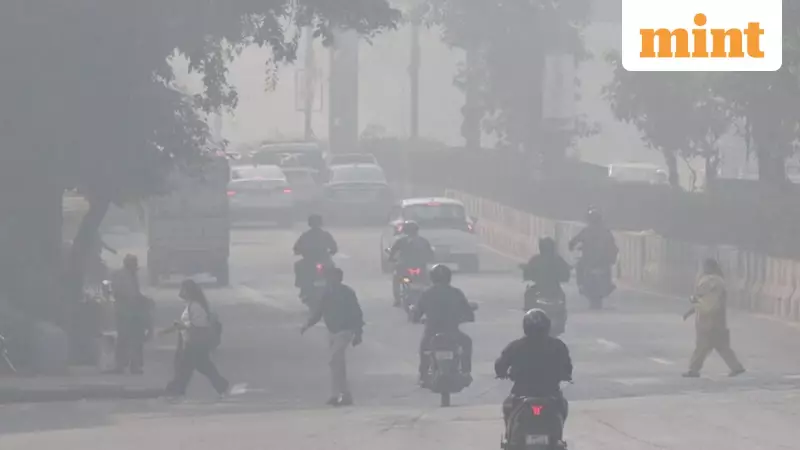
Delhi's air quality has plunged into the severe category, creating a hazardous environment for the city's residents. The Air Quality Index (AQI) crossed the 400 mark, signaling a significant deterioration in air quality and raising serious health concerns across the national capital region.
Delhi's Toxic Blanket Intensifies
The capital city woke up to a thick layer of toxic haze as the air quality slipped into the red zone. The AQI reading of 400 indicates severe pollution levels that can affect healthy people and seriously impact those with existing respiratory conditions. Meteorological conditions, including low wind speed and dropping temperatures, have contributed to the accumulation of pollutants in the atmosphere.
Monitoring stations across Delhi recorded consistently poor air quality readings, with some areas experiencing even worse conditions than the average 400 AQI. The pollution levels have been steadily worsening over the past week, culminating in this severe air quality episode that has prompted authorities to issue health advisories.

Health Impacts and Immediate Concerns
Medical experts have expressed grave concerns about the health implications of such poor air quality. Exposure to AQI levels above 400 can lead to respiratory illnesses and cardiovascular problems, even among healthy individuals. Doctors are reporting increased cases of breathing difficulties, eye irritation, and throat infections among patients.
Vulnerable groups including children, elderly citizens, and people with pre-existing health conditions are at particularly high risk. Healthcare facilities have been advised to prepare for a potential surge in patients complaining of pollution-related health issues. The situation has become critical enough to warrant immediate precautionary measures from residents.
Factors Contributing to the Crisis
Multiple factors have converged to create this severe air pollution episode in Delhi. Weather conditions play a crucial role in trapping pollutants close to the ground. The current meteorological pattern includes calm winds and temperature inversion, which prevents the dispersion of harmful particles.
Local pollution sources combined with regional factors have exacerbated the situation. Vehicle emissions, industrial pollution, and construction activities continue to contribute significantly to Delhi's poor air quality. The timing of this severe spike suggests that seasonal factors are also at play, marking the beginning of what experts fear could be a prolonged period of hazardous air.
Authorities are monitoring the situation closely and considering implementing additional measures if the air quality deteriorates further. The current crisis underscores the urgent need for comprehensive, long-term solutions to Delhi's persistent air pollution problem.






