Air quality in India's national capital deteriorated sharply once again, with monitoring stations recording a worrying Air Quality Index (AQI) of 324 on Friday morning. This places Delhi firmly in the 'very poor' category, posing significant health risks to its residents.
A Chilling Double Blow: Pollution and Cold Wave
The hazardous air coincides with a dip in temperatures, as the India Meteorological Department (IMD) issued a yellow alert for a cold wave in New Delhi. This combination of intense cold and toxic air creates a particularly dangerous environment, especially for the elderly, children, and those with existing respiratory conditions.
Forecasts from the Air Quality Early Warning System for Delhi offer little hope for immediate relief. The system predicts that the city's AQI will remain in the 'very poor' range for the next several days, indicating a prolonged exposure period for millions.

Shocking Revelation: Delhi Not The Top Polluter?
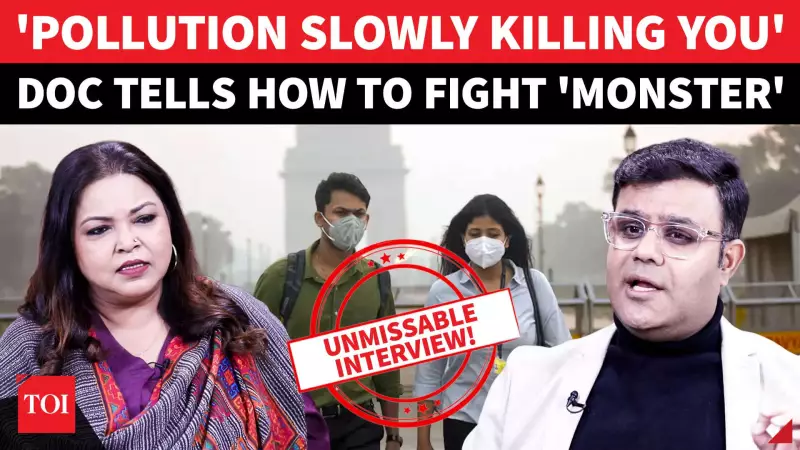
Amid this grim scenario, a conversation with a leading medical expert has revealed a counter-intuitive perspective. In an interview, Dr. Harsh Vardhan Puri, a renowned Thoracic Surgeon, made a startling claim: Delhi is not the most polluted city.
While Dr. Puri acknowledged the severe and undeniable air quality crisis in the capital, his statement challenges the common narrative and suggests a need to look at pollution data through a more nuanced lens. The details of his analysis, which likely consider sustained exposure levels, particulate matter composition, or comparative data from other industrial and urban centres, provide a crucial context often missing from headlines.
How To Fight Back Against the Toxic Air
Beyond the alarming statistics and rankings, the core concern remains public health. Medical professionals emphasize that proactive measures are essential to mitigate the impact. Experts typically recommend a combination of personal and collective actions:
- Limiting outdoor exposure, especially during early morning and late evening hours when pollution peaks.
- Using N95 or N99 masks effectively when stepping outside.
- Employing air purifiers with HEPA filters in homes and offices.
- Staying hydrated and consuming a diet rich in antioxidants to help the body cope.
- Advocating for and supporting long-term policy measures aimed at reducing emissions from vehicles, industry, and dust.
The current situation underscores a persistent public health emergency. While the debate on rankings continues, the immediate reality for Delhi's citizens is the need to protect themselves from the tangible dangers of breathing 'very poor' quality air, compounded by harsh winter conditions.