Air quality across many Indian cities, particularly the National Capital Region, has consistently entered the 'hazardous' category, casting a thick, unhealthy smog over daily life. This severe pollution has intensified major public health concerns, forcing residents to seek refuge indoors. However, experts warn that harmful toxins do not simply remain outside, making it critical to actively clean the air within our homes and workplaces.
Medical Expert's Prescription for Cleaner Indoor Air
Renowned Delhi-based cardiologist Dr. Alok Chopra, with over four decades of medical experience, emphasizes that toxic air should never be accepted as normal. In a recent social media post, he shared actionable advice to "heal" the air inside our living spaces. A key recommendation is the strategic placement of specific indoor plants known for their air-purifying properties.
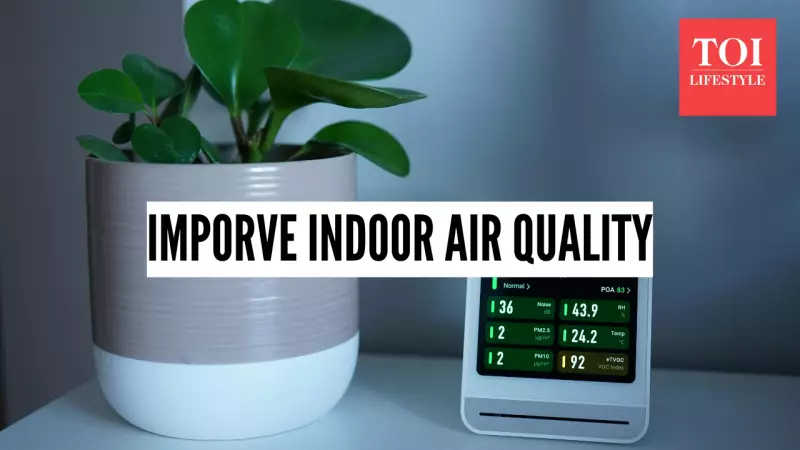
Dr. Chopra advocates for plants like the snake plant, rubber plant, money plant, aloe vera, and spider plant to naturally filter indoor pollutants. His second crucial tip involves the smart use of air purifiers. He advises that windows should be kept closed during peak pollution and only opened when the Air Quality Index (AQI) shows a significant dip.

Combating Dampness and Hidden Humidity Risks
Beyond particulate matter, another silent threat to indoor air is excessive moisture. According to a medically-reviewed article on Healthline, dampness indoors can pose serious health hazards. It creates an ideal environment for mold growth and can cause volatile organic compounds (VOCs) to leach into the air from walls and furniture.
These factors can trigger or worsen a range of respiratory issues. To counter this, the article suggests using dehumidifiers to control humidity levels and minimize these associated risks, ensuring a drier and healthier indoor environment.
Common Habits That Pollute Your Home Air
Dr. Chopra also stresses the importance of awareness about daily activities that inadvertently contaminate indoor air. He strongly warns against several common habits that increase exposure to toxins inside the home. Residents are urged to avoid or minimize:
- Smoking or vaping indoors.
- Lighting incense sticks or scented candles.
- Spraying aerosol products like deodorants or cleaners.
- Burning trash, wood, or other materials within enclosed spaces.
Eliminating these practices can significantly reduce the internal toxin load, complementing the positive effects of purifiers and plants. As the smog blanket persists, these expert-backed measures offer a vital line of defense, transforming homes into safer havens against the oppressive outdoor pollution.
Disclaimer: This article is for informational purposes only and should not be considered as professional medical advice.