

The Unseen Threat in Indian Skies
Stepping outside during pollution season in numerous Indian urban centers feels like being enveloped in an inescapable, hazy blanket. The air carries a distinct burnt odor, eyes experience a subtle sting, and every breath feels noticeably heavy. This alarming reality has prompted a crucial question among health-conscious citizens: which mask truly offers the best defense against pollution? The wrong choice, it turns out, provides little to no benefit.
Science Backs the Right Mask Choice
A well-designed, high-efficiency mask does more than just cover your face; it actively reduces the amount of dangerous fine particulate matter you inhale, offering long-term protection for your lungs. The importance of this is backed by solid scientific evidence. A peer-reviewed study published in the Journal of the American College of Cardiology confirmed that wearing a proper mask significantly lowers the cardiovascular stress induced by pollution. With such compelling proof, understanding the features of an effective mask becomes essential for everyone.
Key Features Your Pollution Mask Must Have
Before deciding on a purchase, know what makes a mask effective. The foremost feature is filtration efficiency. A quality mask must be capable of filtering out PM2.5 particles, which are fine enough to penetrate deep into the lungs and even enter the bloodstream. The second critical feature is the seal. A mask with high filtration is rendered useless if polluted air leaks in from the sides, bypassing the filter entirely.

Furthermore, comfort is a major factor in consistent usage. You are far more likely to wear a mask regularly if it is breathable and sits comfortably on your face. Features like adjustable straps, a firm nose clip, and multi-layer non-woven fabric significantly enhance both comfort and the overall level of protection.
Navigating the Mask Marketplace
Different types of masks offer vastly different levels of security, which is pivotal in making the right choice. While cloth masks might be fashionable, they are generally ineffective at filtering the fine particulate matter typical of urban air pollution. They may be suitable for blocking dust but fall short against serious air quality issues.
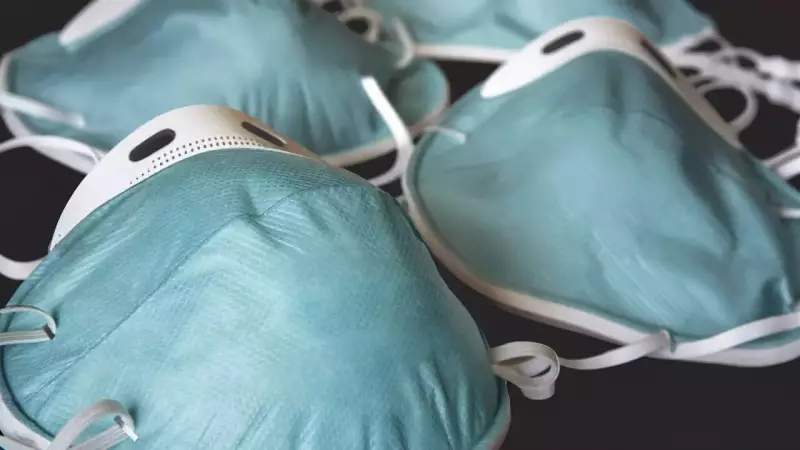
Surgical masks provide a slight upgrade in protection but typically fit loosely. The gaps on the sides drastically reduce their ability to shield you from harmful PM2.5 particles. The most reliable options are respirators like the N95, KN95, and FFP2. These are designed to combine high filtration—blocking up to 95% of fine particles—with a snug, secure fit, making them the gold standard for personal air pollution protection.
Choosing Based on Your Daily Life
The best mask for you often depends on your daily routine and exposure. Here’s a practical breakdown:
For Daily Commuters: Individuals who spend significant time on congested roads or use public transport benefit most from the robust protection of N95 or FFP2 respirators against traffic-related pollutants.
For People with Respiratory Issues: Those suffering from asthma, allergies, or sinus problems often find immediate relief with higher-grade masks like N99 models, which capture even finer particles.
For Outdoor Workers or Cyclists: Masks with enhanced breathability, such as FFP2 or sports-focused anti-pollution masks, are ideal as they balance superior filtration with necessary airflow during physical exertion.
For Office Goers: Reusable N95 masks with replaceable filters offer a comfortable, cost-effective, and easy-to-maintain solution for regular travel from home to office.
Fit and Maintenance Are Non-Negotiable
Purchasing the right mask is only half the battle; wearing it correctly is equally vital. A perfect seal is paramount. Always press the nose clip firmly against the bridge of your nose and check for gaps near your cheeks, ensuring the mask fully covers both your nose and chin. A simple test: if your glasses fog up, it indicates air leakage.

For reusable masks, regular maintenance is crucial. Only wash the outer fabric if the manufacturer recommends it and replace filters as instructed. Disposable respirators should be discarded once they become damp, soiled, or lose their shape. Storing your mask in a clean pouch helps it maintain its protective structure.
Your Quick Buying Guide
If you're still unsure, follow these general guidelines for the best results. Opt for N95 or FFP2 masks for everyday use in polluted Indian cities. Choose an N99 mask during periods of extremely high AQI. For long-term comfort and affordability, reusable N95 masks are an excellent choice. It is advisable to avoid cloth masks on high-pollution days as they cannot filter fine particles effectively. Also, steer clear of valved masks for outdoor pollution, as the valve can reduce filtration efficiency during inhalation. The safest bet remains a certified respirator that fits the unique contours of your face well.
After evaluating scientific research, filtration technology, and real-world practicality, the answer is clear. N95, KN95, and FFP2 respirators consistently outperform cloth and surgical masks. They effectively filter the harmful particles responsible for long-term health damage and offer the best combination of comfort and reliable protection. By choosing a certified mask, ensuring a tight seal, and maintaining it properly, you provide yourself with the strongest possible defense during India's challenging pollution season.





