

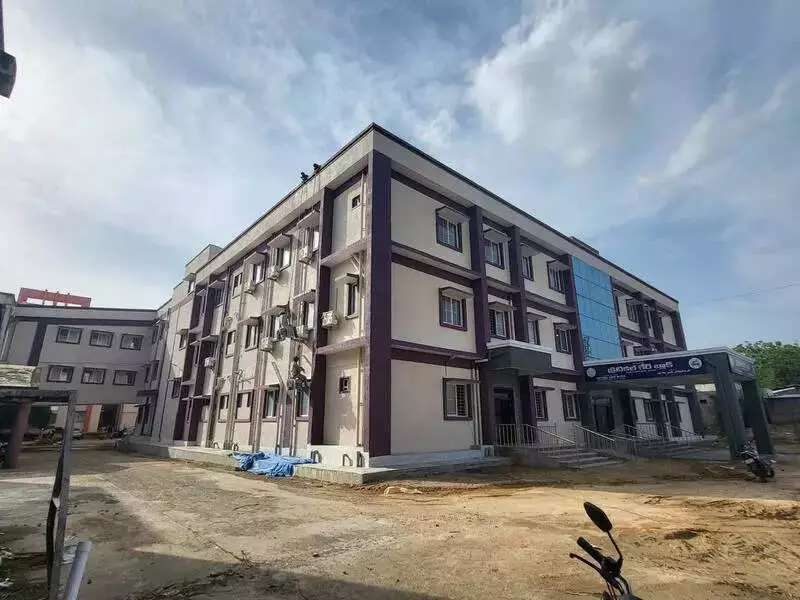
The Telangana government is on the verge of significantly enhancing its emergency medical infrastructure, with nine new state-of-the-art Critical Care Blocks (CCBs) set to become operational in the first week of January. This development follows a high-level review of the project by State Health Minister Damodar Rajanarsimha on Wednesday.
Nine Districts to Get Advanced Emergency Care Facilities
According to health department sources, the installation of sophisticated medical equipment has been successfully completed at nine locations. These districts are Wanaparthy, Kamareddy, Jagtial, Jangaon, Vikarabad, Godavarikhani, Asifabad, Kothagudem, and Adilabad. With the physical infrastructure and equipment now in place, these facilities are ready for formal inauguration. The health department is currently finalising the scheduling and operational arrangements to ensure a smooth commencement of services from the beginning of the new year.
Part of a Statewide Network to Strengthen Golden Hour Care
These nine CCBs are a crucial part of a much larger, ambitious initiative by the Telangana government. Under this scheme, a total of 31 such Critical Care Blocks have been sanctioned across the state, with each unit involving an estimated investment of Rs 28 crore. So far, four blocks located in Sangareddy, Nalgonda, Karimnagar, and Nizamabad districts have already been inaugurated and are fully functional. The remaining blocks are currently in various stages of construction and commissioning.

An official explained the critical role of these facilities, stating that each CCB is a 50-bed advanced emergency care unit. They are specifically designed to manage severe and life-threatening conditions including trauma, cardiac emergencies, and neurological crises. The primary objective is to guarantee timely treatment during the vital 'golden hour'—the critical period immediately after a medical emergency when intervention is most effective. This initiative specifically targets district hospitals that previously lacked access to this level of tertiary critical care, forcing patients to undertake long and risky journeys to Hyderabad.
Minister's Directive: Inaugurations Must Be Functional, Not Symbolic
During the review meeting, Health Minister Damodar Rajanarsimha issued a clear and practical directive to officials. He emphasised that the inaugurations of these healthcare facilities should not be merely symbolic events. Instead, he instructed authorities to ensure that all medical equipment is fully operational and that an adequate number of trained doctors, nurses, and paramedical staff are deployed at each centre before it is opened to the public. This focus on readiness underscores the government's commitment to delivering tangible healthcare improvements.
The phased rollout of this extensive CCB network is expected to bring about a transformative change in Telangana's healthcare landscape. A major anticipated benefit is a significant reduction in emergency referrals to Hyderabad, as patients in districts will now have access to high-level care closer to home. This will not only save crucial time but also reduce the burden on the capital city's hospitals. Overall, the project promises a substantial upgrade in critical care services at the district level, thereby strengthening the state's entire emergency healthcare response system and making it more resilient and accessible.






