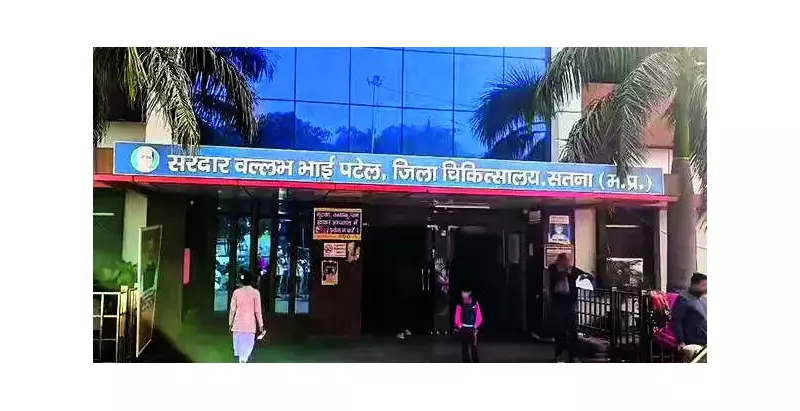
A shocking medical negligence case has emerged in Madhya Pradesh, mirroring a similar tragedy in Jharkhand two months earlier. Six children battling thalassaemia have tested positive for HIV, with contaminated blood transfusions at a government hospital in Satna district suspected as the cause.
Details of the Satna Tragedy
The affected children, aged between 3 and 15 years, were undergoing regular treatment for thalassaemia, a blood disorder requiring frequent transfusions. Officials confirmed that in five of the six cases, the likely source of the HIV infection was tainted blood received during these life-saving procedures. The exception is one child whose parents are also infected with the virus.
A state government-ordered investigation is now underway. Authorities revealed that the children had received blood from at least three different blood banks over hundreds of transfusion sessions. Officials estimate that nearly 350 donors may be linked to the transfusions given to the five children. So far, about 50% of these donors have been identified and screened, but the exact source of the infection remains unconfirmed.

State Probe and Official Statements
Deputy Chief Minister Rajendra Shukla, who holds the health portfolio, announced the formation of a committee led by the principal secretary of health. "Records of all donors are being traced," Shukla stated in Bhopal on Tuesday. He emphasized that all aspects, including the frequency of transfusions and their locations, are being scrutinized to pinpoint the responsible donors.
Satna District Collector Satish Kumar S informed that probes are active at both district and state levels. He highlighted the complexity of the case, noting the multiple blood banks involved. The investigation will also examine whether all safety protocols were followed at these facilities.
Wider Implications and Patient Care
This incident has raised alarm about a potentially broader exposure. Sources indicate that the blood bank at Satna district hospital caters to at least 57 thalassaemia patients. The probe is examining whether other recipients who received blood during the same period may have been exposed to the virus.
Dr. Manoj Shukla, the Chief Medical and Health Officer in-charge and Satna Civil Surgeon, explained that thalassaemia patients are considered high-risk for HIV and are monitored regularly. It was during these routine tests that the infections were detected, with some children testing positive as early as March this year. All affected children are currently undergoing treatment for their condition.
This distressing event in Madhya Pradesh follows a similar report from Jharkhand's Chaibasa and Koderma districts two months ago, where six thalassaemia children also contracted HIV through transfusions, pointing to systemic failures in blood screening protocols at government healthcare facilities.