India Announces Customs Duty Exemption for Cancer and Diabetes Drugs
In a significant move to enhance healthcare accessibility, the Indian government has officially exempted imported medicines for cancer and diabetes from customs duty. This decision is part of a broader strategy to make essential treatments more affordable for millions of patients grappling with these chronic and life-threatening conditions.
Details of the Exemption Policy
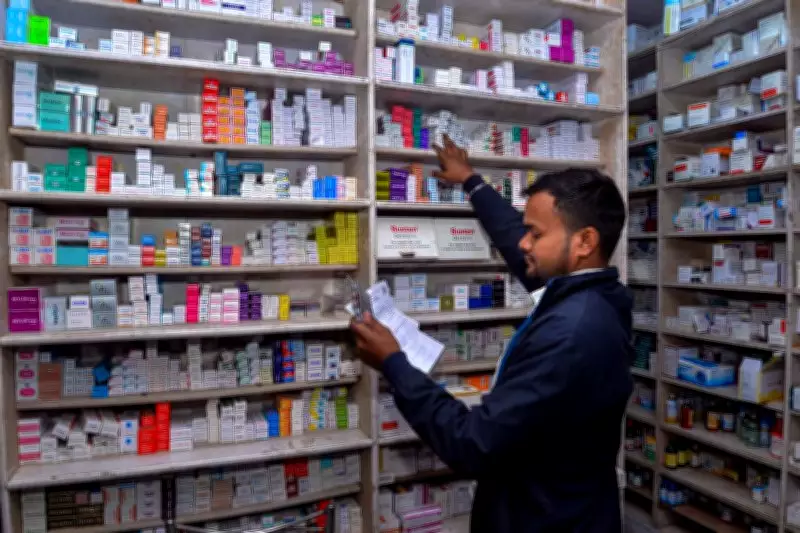
The exemption applies specifically to drugs imported into India that are used in the treatment of cancer and diabetes. By removing the customs duty, the government aims to lower the overall cost burden on patients, who often face high expenses for these critical medications. This policy is expected to benefit a wide range of individuals, from those in urban centers to remote rural areas, by improving the availability and affordability of these life-saving drugs.
Impact on Healthcare and Patient Welfare
This exemption is anticipated to have a profound impact on the healthcare landscape in India. For cancer patients, who frequently require expensive chemotherapy and targeted therapies, the reduced costs could mean better adherence to treatment regimens and improved outcomes. Similarly, for diabetes patients, many of whom rely on daily medications to manage their condition, the financial relief could lead to more consistent access to necessary drugs, thereby helping to prevent complications such as heart disease and kidney failure.

- Lower prices for imported cancer and diabetes medications.
- Enhanced access to essential treatments for underserved populations.
- Potential reduction in out-of-pocket healthcare expenses for families.
- Support for the government's broader health initiatives, such as Ayushman Bharat.
Government's Rationale and Future Implications
The decision aligns with the Indian government's ongoing efforts to strengthen the public health system and address the rising burden of non-communicable diseases. By exempting these drugs from customs duty, the authorities are not only easing the financial strain on patients but also encouraging the import of high-quality medications that might not be readily available domestically. This move could also stimulate competition among pharmaceutical companies, potentially leading to further price reductions and innovation in drug development.
Experts believe that this exemption could set a precedent for similar policies targeting other essential medicines in the future.Overall, the customs duty exemption for cancer and diabetes drugs represents a crucial step towards making healthcare more equitable and accessible in India. It underscores the government's commitment to prioritizing patient welfare and tackling the challenges posed by major health issues through strategic fiscal measures.