Sushumlata Kushwaha: The 'Pad Wali Mukhiya' Revolutionizing Menstrual Hygiene in Bihar
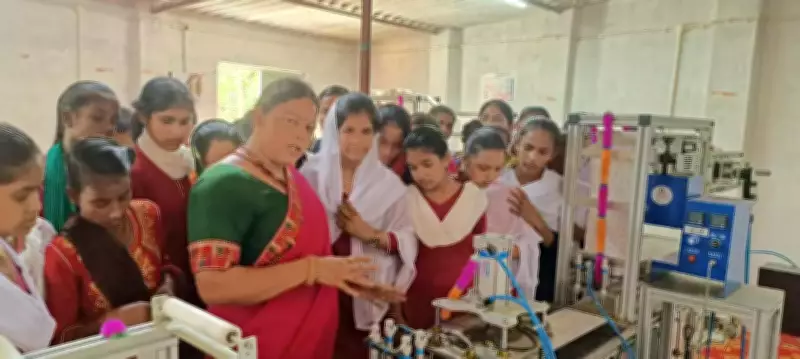
In the Jagdishpur block of Bhojpur district, Bihar, an educated woman public representative is proving to be a powerful catalyst for societal transformation. Sushumlata Kushwaha, the mukhiya of Dawan panchayat, has not only established a semi-automatic sanitary pad manufacturing unit in her panchayat but is also supplying pads to at least eight neighboring panchayats, while actively promoting awareness about menstrual hygiene across the community.
From Idea to Impact: A Journey of Empowerment
A postgraduate and mother of two daughters and a son, Sushumlata, affectionately known as 'Pad Wali Mukhiya' in the district, initiated this venture as a member of a Jeevika self-help group (SHG). Her efforts are gaining positive traction, particularly in schools where she conducts interactive workshops on menstrual health. The idea struck her during a meeting in Hyderabad, where she realized the urgent need for better menstrual hygiene practices. Upon inquiring in nearby panchayats, she discovered that many women still rely on ash and cloth during their periods, highlighting a critical gap in access and education.
Sushumlata explained, "The government provides Rs300 for pads in schools, but there is no follow-up to ensure girls actually purchase them. I approached the then Bhojpur District Magistrate with my proposal, which led to securing Rs10 lakh in government assistance under the Mukhyamantri Nav Pravartan Yojana. Additionally, I invested Rs7 lakh through our SHG to set up the machine." This strategic funding enabled her to launch the unit, which now produces approximately 4,500 pads daily, sold in packets of six for just Rs23 in local villages and panchayats.

Expanding Reach and Fostering Community Involvement
Beyond production, Sushumlata and her SHG members, which include 10 individuals—one of whom is male—have embarked on a mission to visit schools across the district. Their workshops aim to educate girls on the importance of menstrual hygiene, while also engaging male community members to foster a supportive environment. She emphasized, "I involved men because they need to understand this issue to protect their daughters and wives." This inclusive approach is yielding results, with men gradually recognizing the significance of menstrual health.
Her dedication has not gone unnoticed. In a recent meeting at Ara, Kusumha mukhiya Abhay Kurma praised her initiatives and invited her to his panchayat. Moreover, Sushumlata has secured an order to supply 1,500 sanitary pads to the Integrated Child Development Services (ICDS) for distribution among adolescent girls affiliated with Anganwadis across all child development projects in the district, furthering menstrual hygiene management efforts.
A Legacy of Leadership and Sustainable Change
Elected as mukhiya for the first time in 2016, Sushumlata Kushwaha exemplifies how educated women leaders can drive tangible progress in rural areas. Her work underscores the potential of public representatives to address pressing health issues through innovation and community engagement. By combining government support with grassroots activism, she is not only improving access to sanitary products but also challenging deep-seated taboos, paving the way for a healthier and more informed society in Bihar.