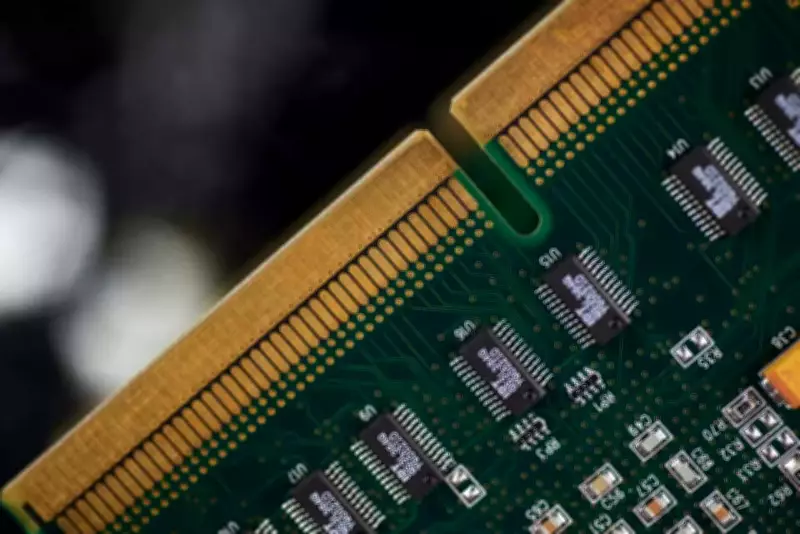
Global Memory Chip Crisis Intensifies as Tech Leaders Sound Alarm
Top executives from Tesla, Apple, Xiaomi, and other major technology firms are raising urgent warnings about a deepening global crisis: a severe shortage of memory chips. This scarcity has triggered skyrocketing costs, threatening corporate profits and derailing strategic plans across multiple sectors.
AI Boom Drives Unprecedented Demand for Memory Chips
According to a detailed Bloomberg report, the primary catalyst for this squeeze is the massive expansion of artificial intelligence data centers. Companies such as Alphabet and OpenAI are procuring millions of Nvidia AI accelerators, each requiring substantial amounts of DRAM (Dynamic Random-Access Memory). This surge in demand has left consumer electronics manufacturers scrambling for limited supplies from key producers like Samsung and Micron.
Elon Musk, CEO of Tesla, highlighted the severity of the situation by suggesting that his company might need to establish its own fabrication plant. In a statement from January, Musk remarked, "We've got two choices: hit the chip wall or make a fab," underscoring the critical nature of the supply constraints.

Price Spikes and the Onset of 'RAMmageddon'
The report further details that memory chip prices are escalating at unprecedented rates. One specific type of DRAM experienced a staggering 75% price increase within a single month, with retailers adjusting prices on a daily basis. Industry insiders have coined the term "RAMmageddon" to describe this chaotic scenario.
Apple CEO Tim Cook cautioned that iPhone profit margins are likely to be compressed due to these rising costs. Similarly, Micron Technology described the current bottleneck as "unprecedented," reflecting widespread concern among semiconductor manufacturers.
Widespread Industry Fallout from Chip Shortages
The global chip crisis is causing significant disruptions across various industries. Key revelations from the report include:
- Sony may postpone the launch of its next PlayStation console until 2028 or 2029.
- Nintendo is considering price hikes for its upcoming Switch 2 gaming console.
- Xiaomi and Oppo could reduce their shipment forecasts for 2026.
- Cisco Systems cited memory chip shortages in a weak profit outlook, leading to its worst stock performance in nearly four years.
- Qualcomm and Arm Holdings have issued warnings about potential further fallout from the crisis.
Echoes of Past Supply Chain Shocks with an AI Twist
This memory chip shortage evokes memories of the COVID-19 pandemic-era semiconductor crises, but with a distinct modern driver: the explosive growth of artificial intelligence. Tech giants including Meta, Amazon, Microsoft, and Google are investing hundreds of billions of dollars into AI infrastructure, redirecting memory production toward high-bandwidth memory (HBM) for AI accelerators.
This shift has reduced manufacturing capacity for standard DRAM used in everyday consumer electronics, exacerbating the supply crunch. Mark Li from Bernstein noted that memory prices are going "parabolic," indicating a sharp, unsustainable rise.
Long-Term Outlook and Expert Predictions
Lenovo CEO Yang Yuanqing warned that the memory chip crunch is expected to persist at least through the remainder of the year. Counterpoint Research estimates that DRAM shortages will continue to affect electronics, telecommunications, and automotive industries, with early signs of panic buying already emerging in the market.
As the global economy grapples with this critical shortage, industry leaders are calling for innovative solutions and increased production capacity to mitigate the ongoing crisis.