

Indigenous CAR-T Therapy Signals New Phase for India's Cancer Care and Biotech Manufacturing
In a landmark development for the Indian healthcare and biotechnology sectors, the country has achieved a significant milestone with the approval of its first indigenous CAR-T cell therapy. This breakthrough, named NexCAR19, is poised to revolutionize cancer treatment in India, offering new hope for patients with certain types of blood cancers while simultaneously bolstering the nation's biotech manufacturing capabilities.
A Transformative Breakthrough in Cancer Treatment
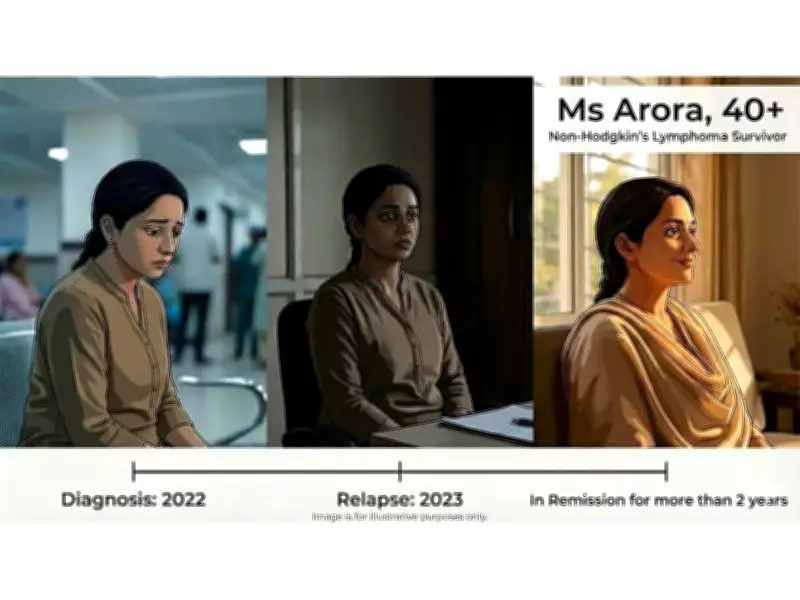
CAR-T therapy, or Chimeric Antigen Receptor T-cell therapy, represents a cutting-edge form of immunotherapy that has gained global recognition for its efficacy in treating specific hematological malignancies. Unlike conventional treatments such as chemotherapy or radiation, CAR-T therapy involves genetically engineering a patient's own T-cells to target and destroy cancer cells more effectively. This personalized approach has shown remarkable success in cases where other treatments have failed, particularly for conditions like B-cell acute lymphoblastic leukemia and non-Hodgkin lymphoma.
The development and approval of NexCAR19 by Indian regulatory authorities mark a pivotal moment. Previously, CAR-T therapies available in India were imported, often at exorbitant costs that placed them out of reach for the majority of patients. With this indigenous innovation, the therapy is expected to be significantly more affordable, potentially reducing treatment costs by up to 80% compared to imported alternatives. This affordability could democratize access to advanced cancer care, allowing a broader segment of the population to benefit from this life-saving treatment.

Boosting India's Biotech Manufacturing Landscape
Beyond its clinical implications, the introduction of indigenous CAR-T therapy signals a new phase for India's biotechnology manufacturing sector. The production of CAR-T therapies requires sophisticated infrastructure, including state-of-the-art laboratories for cell processing, stringent quality control measures, and robust supply chains for biological materials. The successful development of NexCAR19 demonstrates India's growing prowess in these areas, positioning the country as a potential hub for advanced biomanufacturing in the region.
This achievement is expected to spur further investments and innovations in the biotech industry. By reducing reliance on imports, India can enhance its self-sufficiency in critical healthcare technologies, contributing to economic growth and job creation in high-skilled sectors. Moreover, it sets a precedent for other indigenous biotech ventures, encouraging research and development in areas like gene therapy, regenerative medicine, and personalized healthcare solutions.
Challenges and Future Prospects
Despite the optimism, several challenges remain. Scaling up production to meet potential demand, ensuring consistent quality across batches, and training healthcare professionals in administering CAR-T therapy are critical hurdles that need to be addressed. Additionally, ongoing research is essential to expand the application of CAR-T therapy to other types of cancers and improve its safety profile, as side effects like cytokine release syndrome can be severe.
Looking ahead, the success of NexCAR19 could pave the way for more collaborative efforts between academia, industry, and government. Initiatives to fund biotech startups, streamline regulatory processes, and foster international partnerships will be key to sustaining this momentum. As India continues to innovate, the integration of such advanced therapies into mainstream healthcare could significantly reduce the cancer burden and enhance the quality of life for millions.
In summary, the approval of India's first indigenous CAR-T therapy is not just a medical breakthrough but a catalyst for broader economic and technological advancement. It underscores the country's potential to lead in biotech manufacturing while making cutting-edge cancer care more accessible and affordable for its citizens.






