The bond between a writer and an editor is one of the most critical yet complicated partnerships in the world of publishing and journalism. It is a dynamic dance of creativity and critique, ego and empathy, often fraught with tension but essential for producing polished, impactful work. This relationship, built on a foundation of mutual respect and a shared goal, is the unseen engine that drives great storytelling and rigorous reporting.
The Core of the Collaboration: Trust and Creative Tension
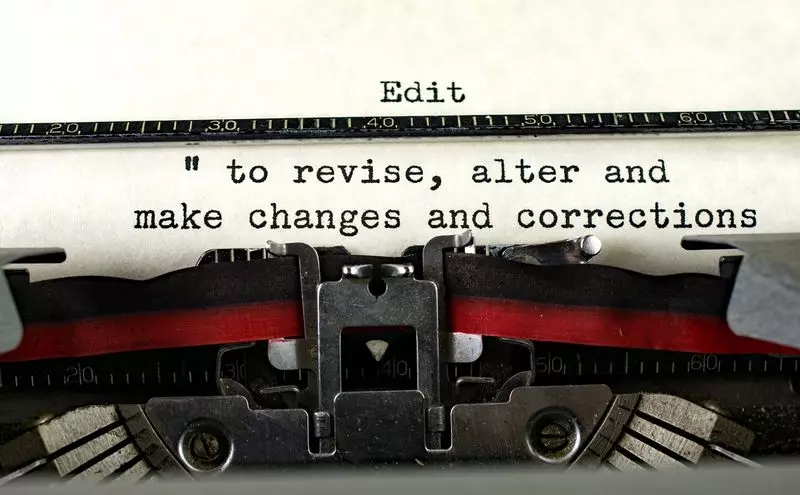
At its heart, the writer-editor dynamic is a professional collaboration where the editor acts as the first discerning reader and a strategic guide. The writer brings raw creativity, passion, and a unique voice to the table. The editor, in turn, provides a crucial external perspective, focusing on structure, clarity, factual accuracy, and the overall impact on the intended audience. This process is not merely about correcting grammar; it is a deep, constructive engagement with the text's soul.
However, this collaboration is rarely smooth. The source of tension often lies in the perceived threat to the writer's creative autonomy. For the writer, the manuscript can feel like a personal extension, making even suggested changes seem like a personal critique. The editor, tasked with upholding standards and engaging the reader, must navigate this sensitivity. The most successful relationships are those where both parties understand that the editor's role is to elevate the writer's voice, not replace it. This requires immense trust, clear communication, and a shared commitment to the work's excellence over individual ego.

Historical Echoes and Modern-Day Challenges
The article references legendary partnerships, such as that between novelist Thomas Wolfe and his editor Maxwell Perkins. Perkins famously helped shape Wolfe's sprawling manuscripts into coherent, publishable masterpieces like "Look Homeward, Angel." This historical example underscores the editor's role as a visionary who can see the potential masterpiece within a chaotic draft.
In contemporary journalism, especially in a fast-paced media environment like India's, this relationship faces new pressures. The relentless 24/7 news cycle demands speed, which can sometimes shortcut the thoughtful editorial process. The rise of digital platforms and the pressure for clicks can also influence editorial decisions, adding another layer of complexity. Yet, the core principle remains: a good editor protects the writer from errors, sharpens arguments, and ensures the story resonates with truth and power.
Navigating Conflict and Achieving Synergy
Conflict is an inherent part of this creative process. Disagreements over phrasing, narrative flow, or even the central angle of a news piece are common. The key is to manage these conflicts professionally. Effective editors explain the "why" behind a change, framing suggestions as questions aimed at strengthening the work. Writers, on their part, must learn to separate themselves from their prose and view feedback as a tool for growth.
The ultimate goal is to achieve a synergistic partnership where the final product is better than what either could have produced alone. This synergy is the hallmark of great publishing houses and newsrooms, where the writer-editor relationship becomes a crucible for excellence. It transforms a good article into a compelling one, and a strong manuscript into a potential classic.
In conclusion, the writer-editor relationship is a delicate but indispensable ecosystem in the world of words. It thrives on respect, clear communication, and a unified vision for the work. While moments of friction are inevitable, they are often the sparks that lead to greater clarity and impact. For aspiring writers and editors in India's vibrant media landscape, mastering this complex dance is not just a professional requirement but the very key to creating enduring and truthful content that informs, inspires, and endures.