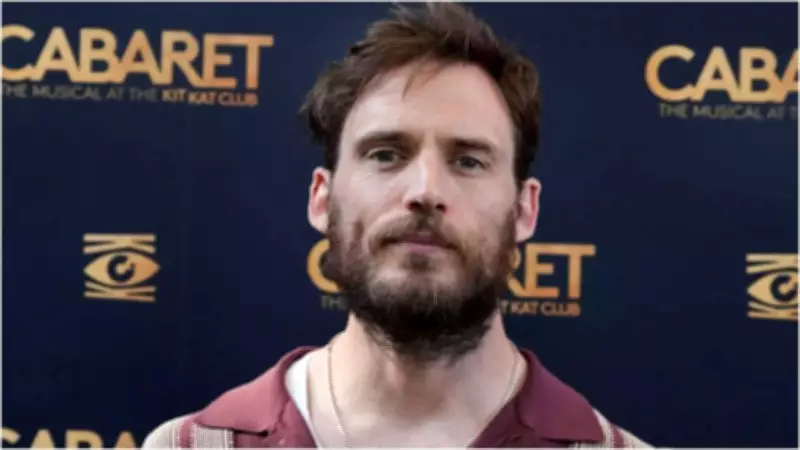
British actor Sam Claflin, best known for his portrayal of Finnick Odair in the globally successful 'The Hunger Games' film series, has spoken openly about his personal struggle with body dysmorphia. In a revealing conversation, he directly attributes this mental health condition to the relentless physical demands and aesthetic expectations prevalent within the film industry.
The Hollywood Assumption and Its Mental Toll
Speaking on Fearne Cotton's Happy Place podcast, as reported by Variety, Claflin detailed how the so-called "Hollywood assumption" regarding the ideal male body profoundly affected his psychological well-being. The actor, whose career launched with a role in 'Pirates of the Caribbean: On Stranger Tides', explained that this pressure to conform to a specific muscular standard began at the very outset of his professional journey.
Anxiety from an Unexpected Shirtless Scene
Claflin shared a particularly distressing early-career experience that highlighted this pressure. He recounted that during one of his first films, a topless scene was unexpectedly added to the production schedule with minimal notice.

"I had a topless scene... but it wasn't in the script and I got told a week before they were going to take my top off," he revealed. This last-minute demand triggered immediate and severe anxiety, as Claflin feared he was physically unprepared for what he described as his "first introduction to the world" in such a vulnerable state.
Deep-Seated Insecurity Amidst Success
Despite achieving significant success in major projects like the fantasy film 'Snow White and the Huntsman' and earning a Golden Globe nomination for his role as Billy Dunne in the acclaimed series 'Daisy Jones & the Six', Claflin confessed that these experiences fostered a deep and persistent insecurity. He admitted to being "massively impacted" by public perception and the industry's overarching focus on appearance.
In a previous interview, also cited by Variety, Claflin elaborated further, connecting the industry's obsession with muscularity directly to his diagnosis of body dysmorphia. "There's this Hollywood assumption that it's the men with the six packs who sell the movie. So there was a pressure that was what I needed to look like," he stated. While clarifying that he does not place blame on specific individuals, he acknowledged that the systemic nature of the entertainment business contributed to him developing this condition.
A Common Yet Personal Struggle
Claflin emphasised that his experience is not unique, suggesting that many other men in the film and television industry face similar psychological challenges due to unrealistic body standards. However, he described his own personal journey with body dysmorphia as "quite bad" and an "everyday struggle," indicating the profound and ongoing impact on his daily life.
This internal battle extends to viewing his own work. The actor revealed that even after his critically praised performance in 'Daisy Jones & the Six', he finds it difficult to watch himself on screen. "I'm incredibly insecure," Claflin said, adding, "I just went to a screening... and [I was like], 'I hated it.' It's my face I don't like [it].'" This candid admission underscores the lasting effects of industry pressure on self-image, even for accomplished performers.