A Gurgaon-based content creator has ignited a firestorm of controversy after attempting to gain entry into the residential complex of Zomato CEO Deepinder Goyal by posing as a food delivery agent. The incident, captured in a now-viral video, has raised significant questions about privacy, security protocols, and the ethical boundaries of social media stunts.
The Viral Stunt at DLF Camellias
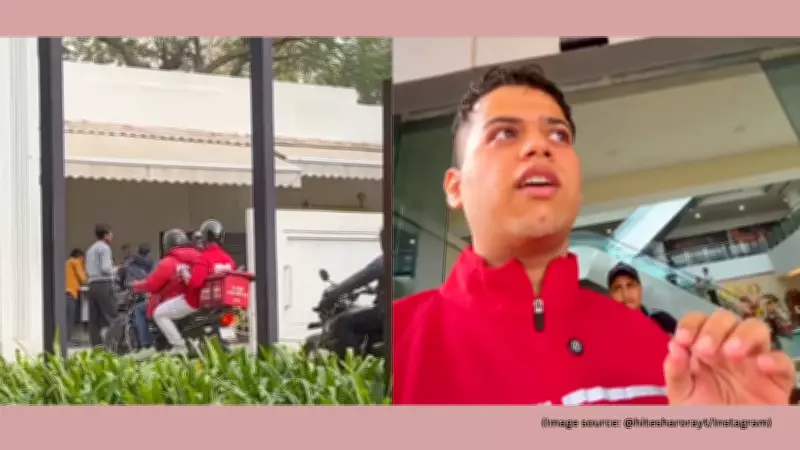
In the widely circulated video, content creator Hitesh Arora documents his approach to the gates of DLF Camellias, an ultra-luxury housing society in Gurgaon. Arora, clad in a distinctive Zomato T-shirt and carrying a McDonald's food bag, attempted to pass himself off as a legitimate delivery agent. His plan was to test the security measures at one of India's most exclusive residential addresses.
Security Intervention and Denied Entry
As the footage progresses, vigilant security guards promptly intercept Arora. They demand that he provide a specific flat number along with official delivery authorization, standard protocol for such high-security premises. When Arora fails to furnish these necessary details, the guards firmly deny him entry, citing the society's strict policy of "no entry without prior authorisation."

Following the confrontation, Arora humorously remarks that if Deepinder Goyal happens to watch the video, he should come down and collect the food himself. He later shared the Reel on social media with a detailed disclaimer, stating, "Disclaimer: This video is for entertainment only. No impersonation or unauthorized access took place. Security rules were respected, and entry was denied politely, which was fully complied with. No harm or misrepresentation intended."
Social Media Backlash and Security Concerns
Despite the creator's attempts to frame the incident as harmless entertainment, the video has provoked intense criticism across various platforms. Many users expressed outrage at what they perceive as a serious breach of privacy and a dangerous precedent.
- One user commented, "How can someone be this stupid! This is not entertainment; it's a security risk."
- Another warned, "Major security breach after watching this reel. Many thieves and womanisers will use similar tactics to gain unauthorized access."
- A third user emphasized, "Invading someone's privacy is not cool. Celebrities and executives deserve their personal space and safety."
A Pattern of Concerning Behavior
This incident is not an isolated case. In August of last year, a Mumbai-based content creator attempted a similar stunt by disguising himself as a Zomato delivery agent to enter Bollywood superstar Shah Rukh Khan's iconic residence, 'Mannat'. He too was denied entry at the back gate by alert security personnel. The guard famously retorted, "If Shah Rukh Khan makes a call, the coffee maker himself will dance in front of him," before turning him away.
These repeated attempts highlight a growing trend where content creators push ethical boundaries for viral fame, often at the expense of personal security and privacy. The incidents underscore the critical importance of robust security measures at residential complexes, especially for high-profile individuals.
Broader Implications for Digital Content Creation
The backlash against Arora's video reflects a broader societal conversation about the responsibilities of digital influencers. While creativity and entertainment are valued, actions that potentially compromise security or invade privacy are increasingly being called out. The line between humorous content and harmful impersonation is becoming a focal point for public discourse.
As social media platforms continue to evolve, such incidents serve as a stark reminder that viral stunts must be balanced with ethical considerations and respect for personal boundaries. The security teams at DLF Camellias demonstrated commendable vigilance, but the episode raises ongoing concerns about how such scenarios might be prevented in the future.