Sudhir Mishra Reflects on Bollywood's Lost Community Spirit and Economic Challenges
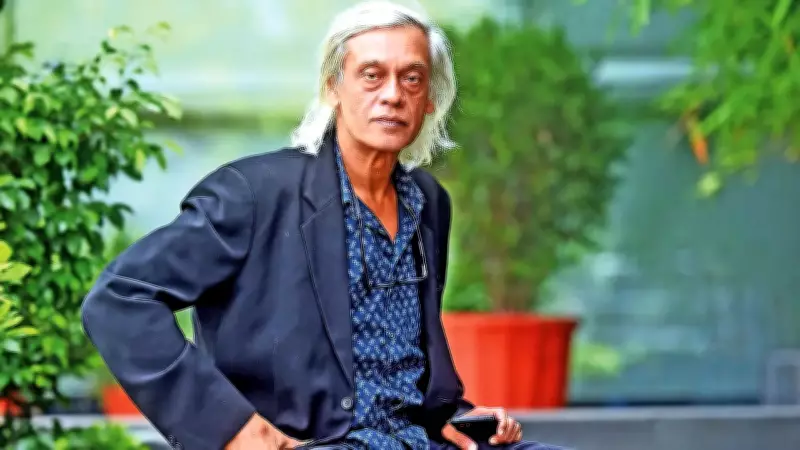
Noted filmmaker Sudhir Mishra, sitting in Lucknow after attending a metro festival and a family wedding, effortlessly bridges memories of the 1980s with sharp critiques of today's movie ecosystem. In an exclusive conversation with Lucknow Times, Mishra delves into the fading sense of community in Bollywood, the economic pressures stifling theatrical viewing, and cinema's unique power to unify the nation.
'Earlier, the Industry Felt Like a Family'
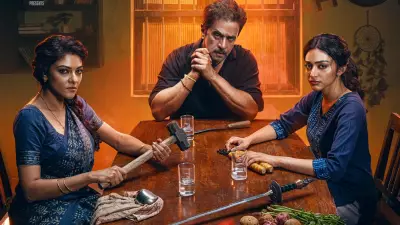
Mishra, who maintains close friendships with directors like Anubhav Sinha, Anurag Kashyap, and Vishal Bhardwaj, and has collaborated extensively with Sinha, including organizing premieres for Sinha's latest film Assi across India, reminisces about a more supportive and close-knit Mumbai film fraternity. 'I've been around since 1982–83, when I wrote Jaane Bhi Do Yaaro with Kundan Shah,' he recalls. 'That era was marked by remarkable solidarity. People were incredibly supportive of Kundan—you'd see 20 filmmakers standing by him, including those from the popular industry. We received immense love, with everyone encouraging each other.'
He cites Mohan Joshi Hazir Ho as another example, noting how actors like the late Amjad Khan, Naseeruddin Shah, Bhisham Sahni, and Dina Pathak supported each other. 'Everyone helped with the release, attended premieres, and discussed the film. It truly felt like a family back then,' Mishra emphasizes.

Mishra remembers premieres as collective celebrations, with figures like Saeed Mirza, Nazir Hussain, Kundan Shah, Yash Chopra, Govind Nihalani, Shyam Benegal, Dilip Kumar, Feroz Khan, and Ketan Mehta all coming together. 'Big premieres like Mr. India and Roop Ki Rani Choron Ka Raja were huge events. The entire industry watched films together, fostering camaraderie among actors, producers, and directors. They rallied for colleagues and offered encouragement,' he says.
However, Mishra admits that this spirit has waned. 'Now it's a bit separate. I don't see that same thing. It should be revived because our success depends on each other. One person's success can pave the way for others,' he asserts.
'The Passion Is Very Much Alive'
Despite a harsh economic environment with soaring ticket prices and budgets, Mishra believes the passion for storytelling remains strong and hasn't been overshadowed by mere profit motives. 'You're talking about some people, but it's not the same for every filmmaker,' he counters gently. 'Look at the young women making us proud in international cinema recently—films like Santosh, All We Imagine as Light, Girls Will Be Girls, Rakshabandhu, and Sagar Saavari Bonda. And then there's the vibrant Malayalam cinema, with Kerala serving as a self-sufficient ecosystem and an example for all. This is cinema made with utmost passion.'
He firmly states, 'I think the passion exists. I don't find any problem with the passion of filmmakers. There's even passion among producers. Every filmmaker needs good producers, and it's that passion driving this good cinema.'
Mishra calls for systemic evolution to support cinema. 'There must be incentives for producers. Many countries offer tax breaks. There are numerous ways to encourage the arts—in France, you get funding to develop, make, and distribute films,' he explains. He returns to a central metaphor: 'Cinema is an art form, almost like eating or drinking—it's food for the soul. If we lose cinema, poetry, or music, what will we do? What can AI create if our minds don't work?'
'Why Are You Taxing the Audience?'
The current ecosystem, from filmmakers to audiences, is trapped in a vicious cycle driven by economics—high ticket prices, OTT deals, and box office pressure. Mishra agrees and advocates for change. 'I wish ticket prices were capped, as they are in the South. And I don't think there should be any tax on entertainment,' he says.

He frames cinema as a public, civic experience. 'Filmmakers, promoters, and exhibitors provide a space for people to come together, laugh, cry, and share experiences. Why should that be taxed?' Mishra questions passionately. 'If I make money as a producer or director, tax me—I pay income tax! If an exhibitor makes money, tax him. But why tax the audience? Why should they pay more?'
He believes lower ticket prices would have a cascading positive effect. 'Reducing ticket prices would help. The cost of coffee or popcorn—often double the ticket price—should also be lowered significantly,' he adds. 'You should come to theaters to watch a film, not to empty your pockets. Single screens must be encouraged and made tax-free. High commercial electricity rates and similar charges make survival impossible. The cinema business must survive.'
'Theatrical Experience Is Very Important for Community'
For Mishra, theatrical cinema is a cultural necessity, not a luxury. 'The theatrical experience is vital for community, life, civilization, and local gatherings. India has many national languages, each with its own cinema. We must interact and watch each other's films to unify as a nation. Cinema is a powerful binding force,' he urges.
He dismisses fleeting digital trends. 'I'm talking about actual filmmakers, not reels or influencer content. The voices of writers, directors, DOPs, and sound recordists create that larger-than-life experience. Independent minds must continue this tradition, like an old man under a tree telling stories. That must not be lost,' Mishra emphasizes.
He highlights India's historical strength. 'In India, we had independent cinema—even popular cinema was independent. People borrowed money, took risks, and made films. That must continue.' Repeating a long-standing demand, he says, 'I've been saying for 20–25 years: give cinema at least a five-year tax break on everything! Otherwise, it'll die. Focus on AI and other things, but just give cinema a break. It's crucial, but nobody listens.'