BJP's Targeted Campaign in Kerala's Christian Belts Delivers Limited Electoral Returns
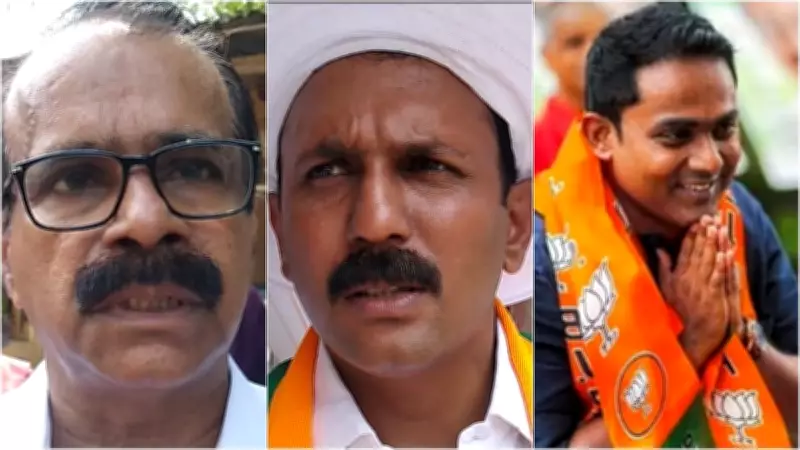
The Bharatiya Janata Party (BJP) executed a focused electoral strategy during the 2026 Kerala Assembly elections, specifically targeting the Christian-dominated regions of central Kerala. By nominating high-profile candidates from the Christian community, the party aimed to position itself as a viable political alternative to the long-dominant Left Democratic Front (LDF) and United Democratic Front (UDF).
Strategic Candidate Selection in Key Constituencies
In an effort to break the traditional stronghold of the LDF and UDF, the BJP carefully selected influential Christian leaders to contest in constituencies with significant Christian populations. This move was designed to resonate with voters who have historically supported the two major fronts, encouraging them to consider the saffron party as a credible option for governance.
The results, however, indicate that this approach yielded only limited success. While the BJP managed to make some inroads, the overall gains were modest, failing to significantly alter the political landscape in these areas. The party's push did not translate into a substantial increase in seat share or voter turnout in favor of the BJP.

Analysis of Voter Response and Political Dynamics
Political analysts suggest that despite the strategic candidate placements, the BJP faced challenges in overcoming deep-rooted loyalties to the LDF and UDF among Christian voters. The limited gains highlight the complexities of Kerala's political environment, where regional and community-based affiliations often play a crucial role in electoral outcomes.
The BJP's efforts to diversify its appeal in Kerala are part of a broader national strategy to expand its presence beyond traditional strongholds. However, the 2026 election results in the Christian belts underscore the difficulties in making substantial breakthroughs in regions with entrenched political allegiances.
Future Implications for BJP's Kerala Ambitions
Looking ahead, the BJP may need to reassess its approach in Kerala, considering the mixed results from the 2026 elections. Key factors to address include:
- Building stronger grassroots connections within Christian communities.
- Developing policies that specifically address local concerns in central Kerala.
- Enhancing coalition-building efforts with regional parties or independent groups.
The party's performance in these areas will likely influence its strategies for future elections, as it continues to seek a more prominent role in Kerala's political arena. The 2026 experience serves as a critical learning point for the BJP's ongoing efforts to challenge the dominance of the LDF and UDF.