Iran-Linked Hackers Breach FBI Director's Personal Email Inbox
In a significant cybersecurity incident, hackers with suspected links to Iran have successfully infiltrated the personal email account of FBI Director Kash Patel. The breach, which was confirmed by the Federal Bureau of Investigation on Friday, resulted in the publication of numerous previously unknown personal details about the 46-year-old director on the internet.
Hacker Group Claims Responsibility and FBI Response
The pro-Palestinian hacking collective known as the Handala Hack Team publicly claimed responsibility for the cyber intrusion, announcing on their website that Patel's name has been added to their list of "successfully hacked victims." In response to the breach, FBI spokesman Ben Williamson issued a statement confirming the attack on Patel's emails and emphasizing that "We have taken all necessary steps to mitigate potential risks associated with this activity." Williamson further clarified that the compromised data was "historical in nature and involves no government information."
Ten Revelations from the Email Leaks
The extensive cache of leaked emails and documents has revealed numerous personal aspects of the FBI director's life:


- Unusual Email Alias: Among the leaked details was Patel's unofficial email alias "spiderkash," which sparked considerable discussion and meme creation across Reddit and various social media platforms.
- Indian Banking Connection: The leaks revealed that Patel, who originates from Gujarat's Anand district, maintained a Non-Resident External (NRE) account with HDFC Bank in India. This account, designed specifically for Non-Resident Indians, was based in Baroda as of 2013.
- Cigar Enthusiast: Multiple photographs published by the hackers show Patel engaging with cigars, including one 2012 email titled "From Bombay with love" that featured a photo of him with the caption: "Our boy Patel kickin it Bollywood style."
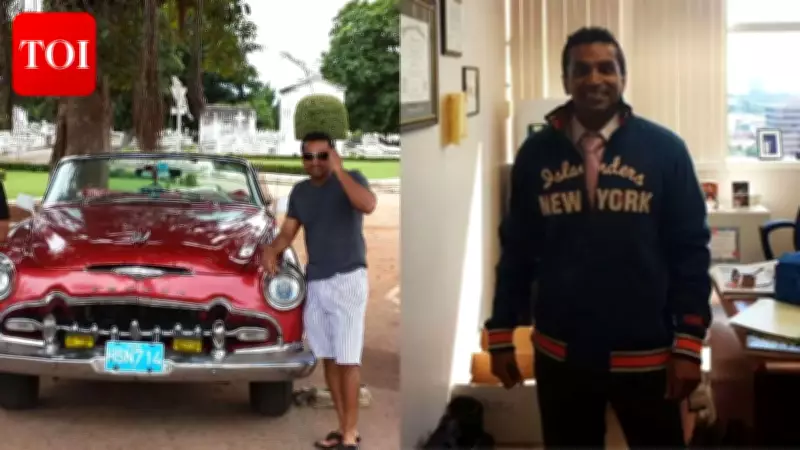
- International Travel Records: The email cache documented Patel's past travels to Cuba and Haiti. One email from 2013, apparently sent by Jaime A. Raich of the Department of Justice's major crimes section, included ten photographs from Havana, Cuba showing Patel at El Floridita bar and driving a red car. Additional records indicated a five-day stay in Port-au-Prince, Haiti during February 2012.
- Employment Documentation: The breach exposed Patel's official acceptance letter for a position at the Department of Justice dating back to 2014, along with copies of his personal resume.
- Unconventional Selfies: Critics who have previously commented on Patel's distinctive appearance now have additional material to discuss, including a mirror selfie showing the director making a face while holding a large cigar in his mouth.
- Hockey Passion: Photographs among the leaked materials show Patel playing hockey outdoors, revealing another dimension of his personal interests beyond his professional responsibilities.
- Family Connections: The hackers released photographs of Patel holding a child who appears to be an extended family member, part of what cybersecurity experts describe as a deliberate "hack-and-leak" strategy intended to make public officials feel personally vulnerable.
- Recent Domestic Travel: While most of the compromised emails date from 2010 to 2019, some more recent documents were included, such as an American Airlines flight receipt from February 2022 documenting travel from Las Vegas to Newark with a layover in Dallas.
- Early Career Housing Search: The email cache contained correspondence with landlords from 2014, documenting Patel's search for housing in Washington, D.C. during the early stages of his career in the nation's capital.
Geopolitical Implications and Psychological Warfare
This breach of Kash Patel's personal inbox serves as a stark reminder of the "hack-and-leak" tactics that have become increasingly common in modern geopolitical conflicts. While the FBI maintains that the compromised data contains no classified government information and is primarily historical, the deliberate release of decades-old personal photographs, travel receipts, and family images represents a clear psychological operation designed to undermine confidence and create personal vulnerability among government officials.
The incident highlights the evolving nature of cyber threats against high-profile government figures and underscores the importance of robust personal cybersecurity measures even for those in the highest echelons of law enforcement. As geopolitical tensions continue to manifest in digital spaces, such breaches are likely to remain a tool in the arsenal of state-sponsored and politically motivated hacking groups.