Student Activists Stage Vigorous Protest at UGC Headquarters in Delhi
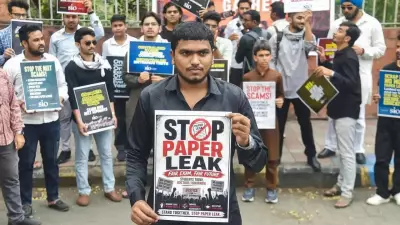
A coalition of student groups organized a significant demonstration outside the University Grants Commission (UGC) office in Delhi on Tuesday, vociferously demanding the complete and unconditional rollback of recently introduced equity regulations. The protest, which saw participation from various student unions and activist organizations, unfolded in the heart of the capital, drawing attention to mounting discontent within academic circles over policy shifts perceived as detrimental to educational access and fairness.
Core Demands and Protest Dynamics
The protesters assembled early in the morning, brandishing placards and chanting slogans that called for the immediate revocation of the equity rules. These regulations, which have sparked controversy since their announcement, are alleged by student leaders to undermine principles of social justice and inclusivity in higher education institutions across India. The demonstration remained largely peaceful, with participants articulating their grievances through speeches and symbolic actions, emphasizing the need for transparent dialogue between regulatory bodies and the student community.
Key issues raised during the protest included concerns about the potential impact of the equity rules on marginalized groups, with activists arguing that the changes could exacerbate existing disparities in educational opportunities. Student representatives highlighted that the rules might affect admission processes, scholarship allocations, and campus representation, thereby contravening constitutional mandates for equality. The protestors urged the UGC to reconsider its stance and engage in consultations with stakeholders before implementing any further amendments.

Broader Implications for Higher Education Policy
This protest is part of a larger wave of student activism that has been gaining momentum in response to recent educational reforms. Analysts note that such movements reflect a growing awareness and assertiveness among youth regarding governance and policy-making in the education sector. The equity rules, in particular, have become a flashpoint, with critics contending that they may dilute affirmative action measures and other supportive frameworks designed to promote diversity in academia.
The UGC has yet to issue an official response to the protest, but sources indicate that the commission is monitoring the situation closely. Previous interactions between student groups and regulatory authorities have often led to revisions or clarifications in policy documents, suggesting that sustained advocacy could influence outcomes. The protest in Delhi underscores the critical role of student voices in shaping educational landscapes and highlights the ongoing tensions between regulatory efficiency and social equity in India's higher education system.
As the day progressed, the protest concluded with a resolve to continue campaigning until their demands are met. Student leaders announced plans for further actions, including potential nationwide mobilizations and digital campaigns, to amplify their call for a rollback. This incident serves as a reminder of the dynamic interplay between policy implementation and grassroots resistance in the realm of education, with Delhi emerging as a focal point for such confrontations.