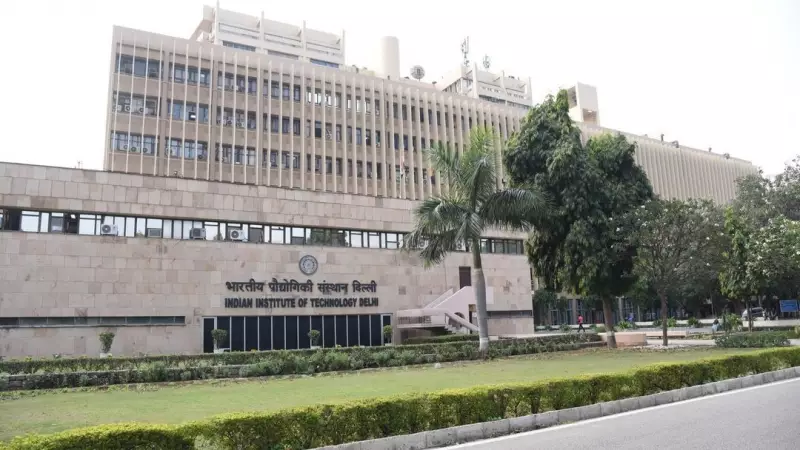
The prestigious QS World University Sustainability Rankings for 2025 have been announced, placing the Indian Institute of Technology (IIT) Delhi at the pinnacle of India's educational institutions. This landmark achievement underscores a significant shift towards environmental and social governance within the country's premier technical universities.
Indian Institutes Dominate the National Landscape
Following closely behind IIT Delhi, the rankings reveal a strong showing from other IITs. IIT Bombay secured the second position nationally, with IIT Kharagpur taking the third spot. This dominance by the IIT system highlights a concerted effort to integrate sustainable practices into their core academic and operational frameworks.
The results, released on November 18, 2025, paint a promising picture for the entire Indian higher education sector. A remarkable feature of this year's list is the sheer volume of Indian entries. With 26 new universities entering the rankings this year, India has solidified its position as a major global player. The country is now one of only four higher education systems worldwide to have more than 100 of its universities featured in the sustainability rankings.

A Surge in Global Participation
This massive influx of new Indian institutions signifies a growing institutional commitment to addressing global challenges. Universities are increasingly being evaluated not just on their academic rigor but also on their impact on society and the planet. The QS Sustainability Rankings assess institutions based on their environmental and social impact, including factors like sustainable education, research, and their overall environmental footprint.
The presence of over 100 Indian universities in this global evaluation marks a pivotal moment. It demonstrates that India's academic landscape is rapidly aligning with international sustainability standards, fostering a new generation of environmentally and socially conscious engineers, scientists, and leaders.
What This Means for India's Educational Future
The strong performance of IIT Delhi, IIT Bombay, and IIT Kharag sets a powerful benchmark for other institutions across the nation. Their success is likely to catalyze further investment in green infrastructure, sustainability-focused curricula, and impactful research aimed at solving pressing global issues like climate change and social inequality.
This achievement goes beyond mere ranking positions. It signals India's escalating influence in the global knowledge economy, with its universities actively contributing to the United Nations' Sustainable Development Goals. The broad representation of over 100 institutions indicates that this is not an isolated trend but a widespread movement gaining momentum throughout the country's educational ecosystem.