Opposition MPs Demand Parliamentary Discussion on MEA and Commerce Ministry
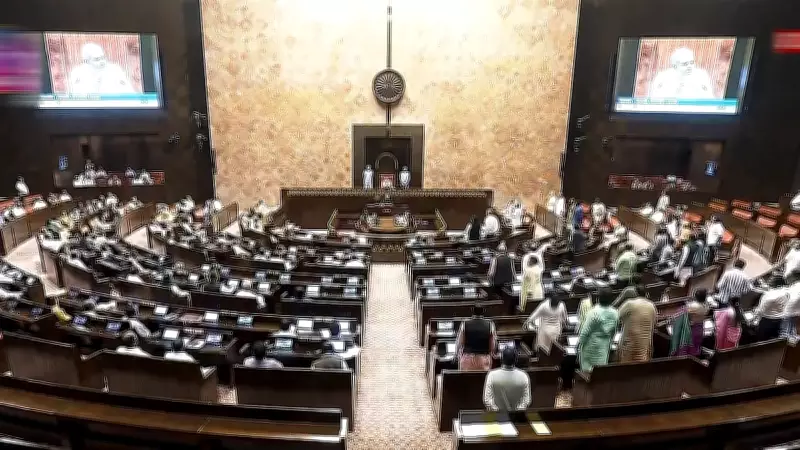
In a significant development in India's parliamentary proceedings, opposition Members of Parliament have formally demanded a discussion on the Ministry of External Affairs and the Ministry of Commerce and Industry in the Rajya Sabha. According to sources familiar with the matter, this demand was raised on Thursday, highlighting a notable gap in parliamentary oversight of these crucial government departments.
Longstanding Absence of Debate Since 2010
The opposition MPs pointed out a concerning parliamentary oversight issue: neither the Ministry of External Affairs nor the Commerce Ministry has been subject to a dedicated discussion in the Rajya Sabha since the year 2010. This sixteen-year period without formal parliamentary debate on these ministries' policies, initiatives, and performance has raised questions about accountability and transparency in governance.
The demand comes at a time when India's foreign policy and international trade relations are increasingly complex and impactful on the national economy and global standing. The Ministry of External Affairs handles diplomatic relations, while the Commerce Ministry oversees trade policies, exports, and economic partnerships—both areas critical to India's development and security.

Parliamentary Procedure and Opposition's Stance
Opposition MPs argue that regular discussions on these ministries are essential for democratic scrutiny. They emphasize that such debates allow for evaluating government strategies, addressing public concerns, and ensuring that policies align with national interests. The lack of discussion since 2010, as noted by sources, may hinder effective parliamentary oversight and public awareness of key governmental actions.
This move reflects broader opposition efforts to enhance parliamentary accountability and engage in substantive policy debates, particularly on issues with long-term implications for India's international relations and economic growth.
Implications for Governance and Public Discourse
The demand for a discussion could lead to several outcomes:
- Increased parliamentary focus on foreign affairs and trade policies.
- Potential scrutiny of recent initiatives and challenges faced by these ministries.
- Enhanced public understanding of government actions in these critical areas.
- Possible setting of precedents for more frequent debates on key ministries.
As the parliamentary session progresses, it remains to be seen how this demand will be addressed by the ruling party and whether it will result in a scheduled debate. The opposition's push underscores the ongoing dynamics in Indian politics, where legislative oversight and policy discussions play a vital role in shaping governance.