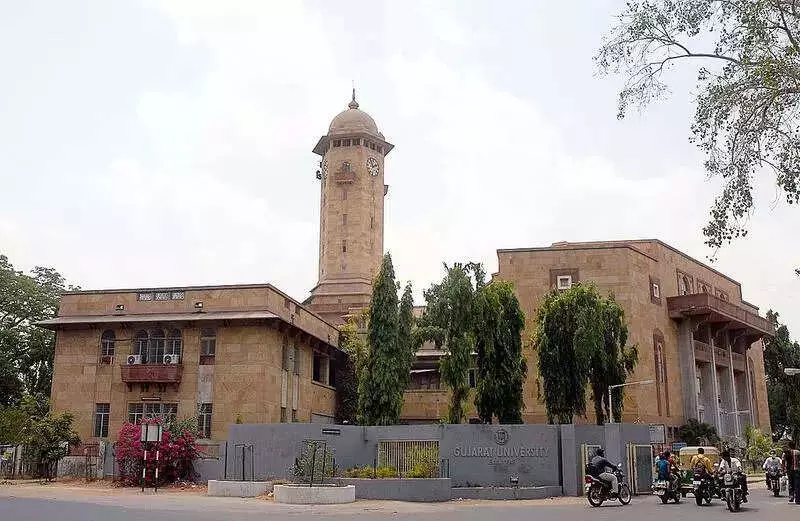
In a significant move to bridge the gap between academic learning and practical experience, Gujarat University convened an important meeting with principals of affiliated colleges on Wednesday to discuss the implementation of mandatory internships for students currently in their sixth semester.
Addressing Implementation Challenges
The joint meeting between college principals and the university vice-chancellor focused on various practical aspects of the internship programme, especially crucial since no clear and fixed policy has been formulated by the university yet. This gathering became necessary as students have already entered Semester 6, leaving little time for proper planning and execution of the internship requirement.
Under the National Education Policy framework, students across arts, commerce, and science streams are required to complete a 120-hour internship to gain practical knowledge alongside their regular academic studies. However, being the first year of implementation, considerable confusion and uncertainty were evident among colleges regarding how the system should be properly executed.

Flexible Approach Adopted
During the crucial meeting, university authorities decided that until a formal policy is finalized, various activities already undertaken by students would be considered valid as part of the internship requirement. In a significant decision, colleges were also permitted to recognize internships arranged independently by students.
The university provided clear examples of acceptable internships, stating that if a student works for 120 hours at a parent's salon or beauty parlour, it will be accepted as a valid internship. The only requirement is that students must submit a certificate from the concerned institution or agency confirming the work completed during this period.
Creating Opportunities and Addressing Concerns
To facilitate the internship process, Gujarat University has initiated discussions with several organizations including the Gujarat Chamber of Commerce, GIDC units, municipal corporations, hotels, and various industries to create structured internship opportunities. Students will be encouraged to gain hands-on experience through these platforms to strengthen their professional and practical skills.
However, the meeting also witnessed strong opposition from some principals, particularly those representing science colleges. They raised genuine concerns about student safety and questioned accountability in case of any mishap during the internship period. Despite these criticisms, participants collectively agreed that even if initial challenges arise, efforts should continue to ensure students benefit from practical exposure.
The university maintained that the primary objective of this initiative is to enhance employability and ensure meaningful learning through real-world experience. This implementation marks a significant shift in the educational approach, aligning with the National Education Policy's vision of creating industry-ready graduates.