In a significant move for regional language promotion and academic inclusivity, Guru Nanak Dev University (GNDU) in Amritsar has officially approved the Punjabi-First Education, Research and Governance Policy 2026. This landmark policy establishes Punjabi as a mandatory medium for major research outputs alongside English, marking a transformative step in higher education governance in Punjab.
Historic Policy Aligns with National Education Goals
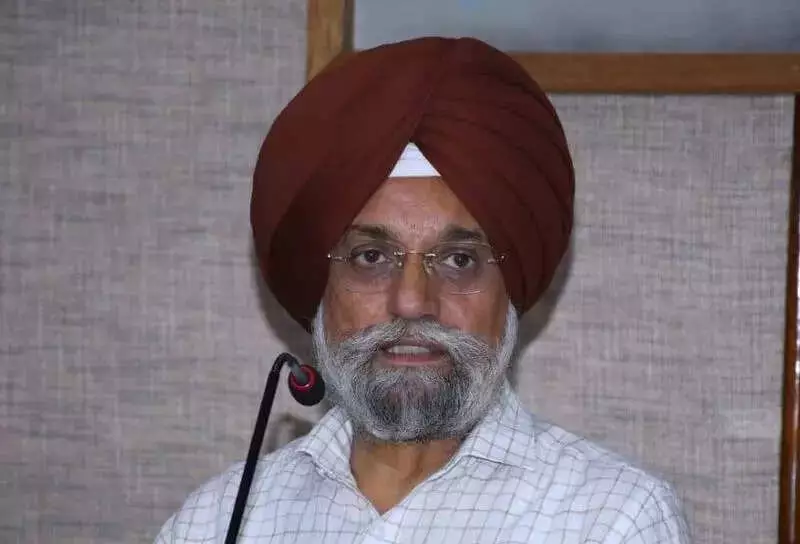
Vice-chancellor Dr. Karamjeet Singh, in a release issued on Tuesday, described the policy as a "historic and people-centric step" that aligns with the spirit of the National Education Policy 2020 while ensuring GNDU maintains its commitment to global academic excellence. The university aims to bridge the gap between elite academic circles and the broader Punjabi-speaking community through this bilingual approach.
Making Research Accessible to All
"Knowledge generated in Punjab must not remain confined to elite academic circles or locked behind language barriers," emphasized Dr. Singh. He explained that by requiring PhD theses, dissertations, project reports, and funded research outputs to be submitted in both English (or the primary academic language) and Punjabi, the university is making groundbreaking research accessible to Punjabi-speaking students, teachers, parents, policymakers, and wider society.

This initiative focuses on inclusion, equity, and cultural confidence without compromising on quality. According to the vice-chancellor, the policy represents a balanced approach that values both regional linguistic identity and international academic standards.
Academic Rigor and Flexibility in Implementation
Under the new policy, the Punjabi versions of research documents will maintain academic rigor and faithfully represent the original work. These translations will be evaluated for clarity, accuracy, and fidelity to the research findings, ensuring they meet the same scholarly standards as their English counterparts.
Dr. Singh emphasized that students will not face penalties for natural stylistic variations in Punjabi expression, as long as the meaning and scientific integrity remain intact. This flexibility acknowledges the diverse linguistic backgrounds of scholars and encourages authentic expression in their native language.
Empowering Diverse Scholar Communities
"The focus is on empowering scholars – especially those from rural, border, and first-generation learner backgrounds – who think and articulate ideas more naturally in Punjabi," added the vice-chancellor. This approach is expected to deepen engagement with research while preserving scholars' national and international mobility.
The policy recognizes that many students from non-urban areas and first-generation academic families often express complex ideas more effectively in their mother tongue. By institutionalizing this bilingual requirement, GNDU aims to create a more inclusive academic environment that values linguistic diversity as an asset rather than a barrier.
Broader Implications for Education in Punjab
This policy represents a significant shift in how regional languages are integrated into higher education research frameworks. By making Punjabi mandatory alongside English, GNDU is setting a precedent that could influence other educational institutions in the state and beyond.
The implementation of the Punjabi-First Education, Research and Governance Policy 2026 demonstrates how universities can balance global academic standards with regional cultural preservation. This approach not only makes academic knowledge more accessible to local communities but also strengthens cultural confidence among Punjabi speakers engaged in advanced research.
As the policy takes effect, it will be interesting to observe how this bilingual model enhances research dissemination, improves community engagement with academic work, and contributes to the preservation and development of the Punjabi language within scholarly contexts.