In a significant boost to the cultural and educational landscape of Nawanshahr, Member of Parliament Santosh Singh Kang officially inaugurated the newly renovated and upgraded library at the historic Baradari Garden. The ceremony, held on a bright Sunday, marked the culmination of a major restoration project aimed at preserving a local landmark while providing modern facilities to the public.
A Grand Inauguration Ceremony
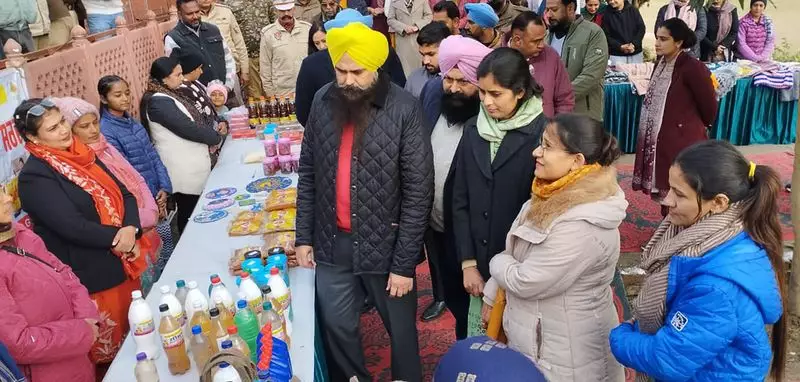
The inauguration event was attended by a host of dignitaries and local residents, reflecting the community's interest in the project. Santosh Singh Kang, the Shiromani Akali Dal MP from the Anandpur Sahib constituency, performed the ceremonial opening. He was joined by prominent figures including Deputy Commissioner Vishesh Sarangal and Senior Superintendent of Police (SSP) Harkamalpreet Singh Khakh. Their presence underscored the collaborative effort between elected representatives and the district administration in bringing this project to fruition.
During his address, MP Kang emphasized the library's role as more than just a repository of books. He described it as a "hub for intellectual discourse and a sanctuary for learners of all ages." The MP highlighted that the revitalization of such public spaces is crucial for fostering a knowledgeable and engaged citizenry, especially among the youth.

Modern Amenities and Rich Collections
The renovation, executed with a budget of Rs 1.5 crore, has transformed the library into a state-of-the-art facility. The upgrades are comprehensive, designed to enhance the user experience and ensure the preservation of valuable materials.
The key features of the renovated library include:
- Advanced air conditioning systems to maintain an optimal environment for both readers and the book collection.
- A new firefighting system to ensure the safety of the infrastructure and its priceless contents.
- Complete furniture overhaul with modern, ergonomic seating and study tables to provide comfort for prolonged reading and research.
- Essential civil and electrical works to modernize the building's core utilities.
Beyond the physical upgrades, the library's soul lies in its collection. It houses an impressive array of resources, including over 20,000 books spanning various genres and subjects. A special section is dedicated to the Sri Guru Granth Sahib and other revered religious texts, catering to scholars and devotees. Furthermore, the library boasts a valuable compilation of rare Punjabi newspapers, serving as an important archive for researchers and historians interested in the region's socio-political journey.
Preserving Heritage for Future Generations
The reopening of the Baradari Garden library is seen as a vital step in preserving Nawanshahr's cultural heritage. Deputy Commissioner Vishesh Sarangal, speaking at the event, pointed out that libraries are the custodians of a society's collective memory and wisdom. He stated that this renovated facility would stand as a testament to the district's commitment to education and cultural preservation.
The project aligns with broader efforts to maintain and promote public spaces that encourage learning and community interaction. The Baradari Garden itself is a known recreational spot, and integrating a fully functional, modern library within it creates a unique blend of leisure and learning. Officials expressed confidence that the library would attract students, researchers, and avid readers from across the district, becoming a central pillar for academic and cultural activities in Nawanshahr.
The successful completion of this renovation, led by the local administration under the support of MP Kang, sets a positive precedent for the revival of other such public institutions. It demonstrates how historical spaces can be adaptively reused to meet contemporary needs without losing their original essence. The newly inaugurated Baradari Garden library is now poised to write a new chapter in Nawanshahr's intellectual and cultural story.