Bangalore University Unveils Ambitious Institutional Development Plan
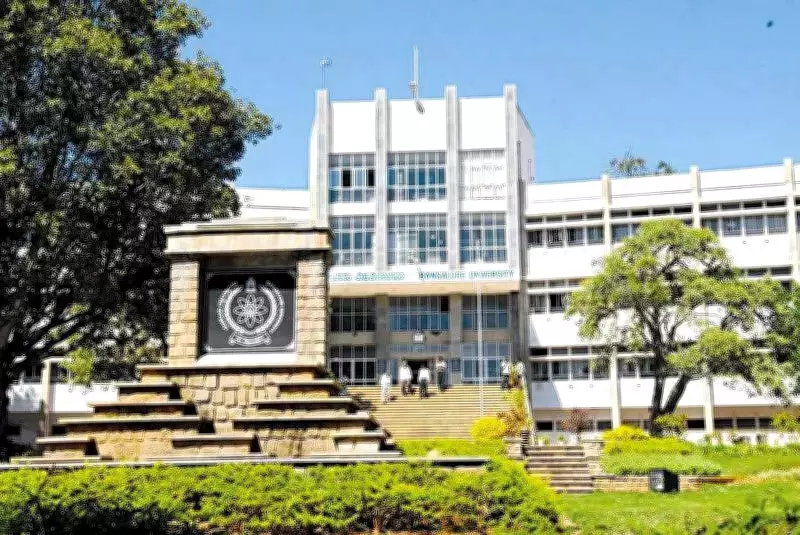
In a significant move to modernize higher education, Bangalore University has released its comprehensive Institutional Development Plan (IDP), outlining a strategic roadmap for the coming years. The plan, mandated by the University Grants Commission and developed under the leadership of senior professor Ashok Hanjagi, focuses on expanding online academic programs and revising traditional college hours to better serve students' evolving needs.
Flexible Scheduling for Student Empowerment
The IDP strongly advocates for rescheduling academic working hours to morning sessions. This adjustment aims to free up afternoons and evenings, allowing students to pursue part-time employment, prepare for competitive examinations, or enroll in additional courses alongside their primary degree programs. "We do not want to restrict students to the four walls of the classrooms," emphasized Professor Ashok. "They should have time to pursue part-time jobs or do another degree or a skill-based course."
Furthermore, the document recommends aligning undergraduate, postgraduate, and PhD admissions with national and state academic calendars while making the admission process more flexible and potentially year-round. This approach is expected to improve student diversity and increase overall enrollment by accommodating a wider range of applicants.

Expansion of Online Learning Infrastructure
A cornerstone of the IDP is the proposal to establish a dedicated directorate for online programs. This new department would significantly increase the number of undergraduate and postgraduate courses offered in online mode, targeting working professionals and students requiring flexible learning options. "The directorate of online programs will offer courses online, which will enable departments to generate revenue while enhancing the institution's global academic profile," Professor Ashok added.
The plan also calls for implementing a robust, centralized learning management system. This digital platform would allow students to attend classes online when physical attendance is not feasible, ensuring continuity in education and widening access to higher education for those unable to be on campus regularly.
Emphasis on Technology and Digital Transformation
The IDP places a strong emphasis on leveraging technology to strengthen teaching and learning systems. Key recommendations include:
- Upgrading classrooms and laboratories with smart technologies to create interactive and modern learning environments.
- Building a comprehensive alumni network to foster engagement and generate additional revenue through donations and partnerships.
- Setting up research grants through collaborative programs with leading institutions in emerging research areas to boost academic output.
- Renting out university facilities such as auditoriums, seminar halls, and guesthouses to create new income streams.
- Raising funds through patent commercialization and consultancy services, turning academic research into practical, revenue-generating assets.
Addressing Financial Constraints and Promoting Entrepreneurship
The document candidly addresses the financial challenges facing the university, including inadequate government grants and limited success in securing international research funding. To bridge these gaps, the IDP suggests expanding collaborations with the private sector, attracting Corporate Social Responsibility (CSR) funding, and actively participating in global academic networks like Erasmus+ and Fulbright programs.
Additionally, the plan proposes establishing dedicated career services and placement cells, as well as creating innovation hubs and start-up incubators. These initiatives aim to promote entrepreneurship among students, equipping them with practical skills and opportunities to launch their own ventures, thereby enhancing their employability and contributing to the local economy.

Overall, Bangalore University's Institutional Development Plan represents a forward-thinking vision to adapt to the changing landscape of higher education. By embracing flexibility, technology, and strategic partnerships, the university seeks to improve student outcomes, increase financial sustainability, and strengthen its position as a leading educational institution in the region.