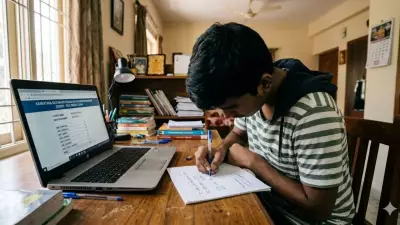
In India, examinations transcend the confines of a timetable, embedding themselves deeply into the fabric of daily life. They dominate family discussions, flood school WhatsApp groups, dictate coaching schedules, and often cast a heavy silence over dinner tables. A board exam result can influence not just an academic pathway but the very emotional climate of a household. In this high-pressure environment, a single competitive test can feel like a definitive verdict on a young person's future. Consequently, 'exam stress' has evolved from a soft concern into a palpable, widespread crisis demanding a systemic response.
Pariksha Pe Charcha: A National Response to Academic Pressure
Amidst this reality, where high-stakes testing shapes destinies and student mental health is under strain, the government has been compelled to acknowledge that well-being is inseparable from academic performance. It was against this backdrop that Prime Minister Narendra Modi inaugurated Pariksha Pe Charcha (PPC) in 2018. Designed as a national dialogue, it shifts the focus from merely scoring marks to coping with the immense pressure.
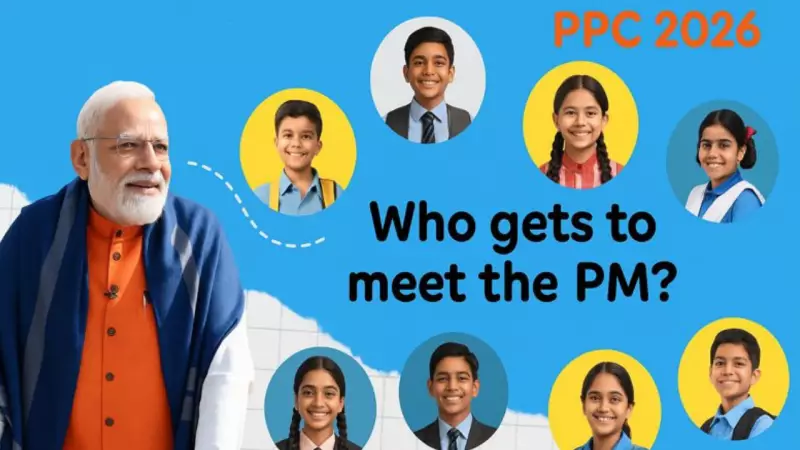
The ninth edition, PPC 2026, is already witnessing an overwhelming response. Registrations commenced on December 1, 2025, and will conclude on January 11, 2026. As of December 16, 2025 (11 PM), official dashboards recorded a staggering 40.69 lakh registrations. This breakdown includes 37.25 lakh students, 3 lakh teachers, and 44,126 parents. The interactive event is slated for January 2026, though the precise date remains to be announced.

Who Can Participate and How Does Selection Work?
The programme is open to students from Classes 6 to 12, along with teachers and parents. Recognizing digital divides, students without personal access can participate via teacher logins. The inclusion of parents and teachers is strategic, based on the premise that exam stress is a collective construct—fueled by classroom dynamics, parental expectations, and institutional cultures that prioritize marks above all.
Participation begins on the MyGov portal with registration and completion of a competition module, which involves an online MCQ questionnaire and submitting a question/response for the Prime Minister within a character limit. All completers receive a participation certificate. Importantly, no one is shortlisted for the main event at this stage. Selection occurs later through an internal evaluation of competition performance, with detailed criteria like cut-offs not publicly disclosed.
The Three Tiers of Pariksha Pe Charcha
The selection process creates three distinct tiers of involvement:
Tier 1: Recognised Participants
This is the largest group, comprising about 2,500 students, teachers, and parents selected via the MyGov competition. They are recognized as winners, receiving PPC kits and certificates, but are not guaranteed an in-person meeting with the PM.
Tier 2: Top 10 'Legendary Exam Warriors'
This is a separate reward category. Ten individuals are chosen through internal evaluation for a promised once-in-a-lifetime visit to the Prime Minister's residence. The government has not clarified if this group is student-only or includes teachers and parents.
Tier 3: Direct Interaction Cohort
This is a small, select group that physically attends the main event in New Delhi for direct interaction with PM Modi. For PPC 2025, 36 students—one from each State and Union Territory—were chosen from diverse school systems including government schools, Kendriya Vidyalayas, Navodaya Vidyalayas, and others.
Evolution and Impact: Beyond a Meeting with the PM
What began in 2018 as a limited interaction has ballooned into one of the government's largest citizen-engagement exercises in education. Registrations have skyrocketed: from around 38.8 lakh in 2023 to crossing 2.26 crore in 2024. The 2025 edition set a Guinness World Record with 3.53 crore valid registrations in one month.

However, the core ambition of PPC extends far beyond who gets to meet the Prime Minister. It seeks to normalize conversations about fear, failure, and fatigue in an education system that seldom pauses to address them. While the students on stage are few, the programme speaks to a vast, anxious audience: the stressed child, the worried parent, the pressured teacher. In essence, Pariksha Pe Charcha is less a competition and more a crucial pause in the relentless exam calendar—a reminder that while performance is important, the well-being of the individual student is paramount, and no exam should ever overshadow the person taking it.