

Indian LPG Carriers Successfully Navigate Tense Hormuz Strait
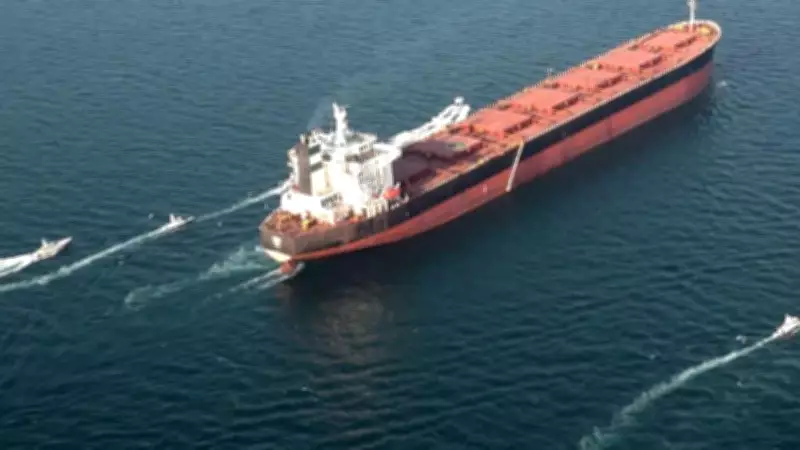
In a significant development for India's energy security, two liquefied petroleum gas (LPG) carriers have successfully navigated the strategically vital and tense waters of the Strait of Hormuz. The vessels, named Shivalik and Nanda Devi, are now en route to key ports in Gujarat after their crucial passage through one of the world's most critical maritime chokepoints.
Critical Energy Supplies Headed For Indian Ports
According to officials from India's Ministry of Ports, Shipping and Waterways, the two ships are transporting approximately 92,700 tonnes of LPG combined. This substantial energy cargo is destined for Mundra Port and Kandla Port in Gujarat, where it will help address domestic energy needs. The successful transit occurred early Saturday, despite ongoing tensions in the broader Gulf region that have raised concerns about maritime security.
The Strategic Importance Of The Strait Of Hormuz
The Strait of Hormuz remains arguably the world's most significant energy transit corridor. This narrow waterway connects the Persian Gulf with the Gulf of Oman and the Arabian Sea, serving as a conduit for nearly one-fifth of global oil supplies daily. Its strategic importance cannot be overstated, as any disruption here would have immediate and severe consequences for global energy markets and numerous economies dependent on Middle Eastern hydrocarbons.

For India, which imports substantial quantities of oil and gas to fuel its growing economy, secure passage through this strait is absolutely essential. The country has been actively working to diversify its energy sources, but Middle Eastern suppliers remain crucial partners in meeting India's substantial energy demands.
Ongoing Monitoring Of Indian Vessels In The Region
Indian authorities have confirmed that more than 20 additional Indian vessels remain in the Persian Gulf region at present. Government officials have emphasized that they are closely monitoring the situation to ensure the safety of all ships, their crew members, and the vital energy supplies destined for India. This heightened vigilance reflects the complex geopolitical environment in the region and India's determination to safeguard its maritime interests and energy security.
The successful passage of Shivalik and Nanda Devi through the Strait of Hormuz represents a positive development amid broader regional uncertainties. As these vessels approach Gujarat's ports with their valuable LPG cargo, Indian authorities continue their watchful oversight of maritime traffic through this crucial waterway, recognizing that the nation's energy security depends significantly on uninterrupted transit through this strategic bottleneck.






