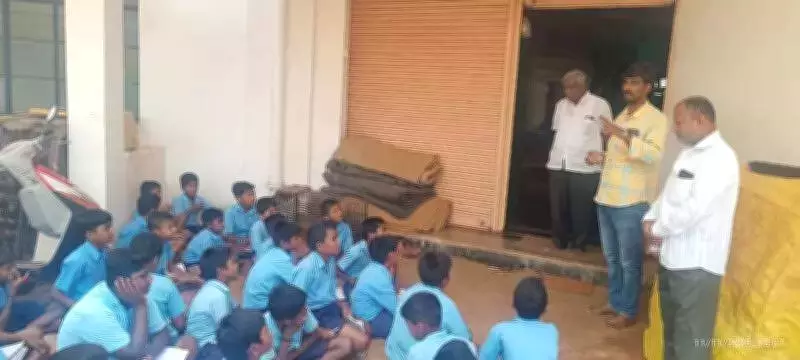
Student Activists Rally Against Karnataka's School Consolidation Policy
In a significant demonstration of dissent, members of the All India Democratic Students' Organization (AIDSO) organized a protest in Nanjangud, Mysuru district, on Sunday. The activists vehemently opposed the Karnataka state government's recent decision to merge numerous government-run schools as part of the KPS Magnet scheme initiative.
Widespread School Closures Spark Public Outrage
The protesting students and community leaders condemned what they described as a systematic dismantling of rural educational infrastructure. According to their allegations, multiple village schools across the region have already been targeted for closure under this project. The list of affected institutions includes educational centers in Hadinarumole, Moodahalli, Mallarajanahundi, Madayyanahundi, Alattur, Immavu, Emavutundi (Uppaligara Undi), Kempisiddanahundi, Hulimavu, Thoremavu, Bokkahalli, Geekahallihundi, Alamburu Munti, and Alaganchi.
Leadership Voices Grave Concerns About Education Access
Addressing the gathered protesters, AIDSO leader Subhash Bettadakoppa made startling claims about the scale of the government's plans. He asserted that the state administration intends to close more than 40,000 government schools statewide through the KPS Magnet project framework. This controversial policy reportedly mandates maintaining only one school per gram panchayat within a six-kilometer radius, potentially eliminating numerous smaller village schools.

State vice-president of AIDSO Apoorva provided further alarming statistics, warning that this consolidation would reduce the number of functional government schools to approximately 6,000 institutions. She highlighted that nearly 17 lakh students have dropped out of the education system over the past fifteen years, suggesting the current policy might exacerbate this troubling trend.
Vocational Training Component Draws Sharp Criticism
The protesters particularly criticized what they described as problematic aspects of the KPS Magnet scheme's implementation. Apoorva specifically questioned the "vocational training" component being introduced for sixth-grade students, which includes activities such as peeling betel nuts or creating clay lamps. She characterized this approach as a deliberate conspiracy to ensure that children from laborer families remain trapped in similar socioeconomic conditions, rather than receiving comprehensive academic education that could provide upward mobility.
Broader Implications for Labor Rights and Education
Adding to the chorus of criticism, state vice-president of AIUTUC Umadevi presented a broader socioeconomic perspective on the policy. She alleged that the KPS Magnet scheme fundamentally aims to create a pool of cheap labor for large industrial enterprises by systematically denying underprivileged children their constitutional right to quality education. This, she argued, would perpetuate cycles of poverty and limit future opportunities for Karnataka's most vulnerable student populations.
Community Solidarity in Defense of Educational Institutions
The protest witnessed participation from various community leaders and social activists who joined forces with the student organization. Notable figures included social activist Ugra Narasimhe Gowda and AIDSO district president Chandrakala, alongside numerous other concerned citizens. Their collective presence underscored the deepening community concern about preserving accessible education infrastructure across Karnataka's rural landscape.
The demonstration represents growing resistance to educational policy changes that activists believe could have far-reaching consequences for equitable access to learning opportunities throughout the state.