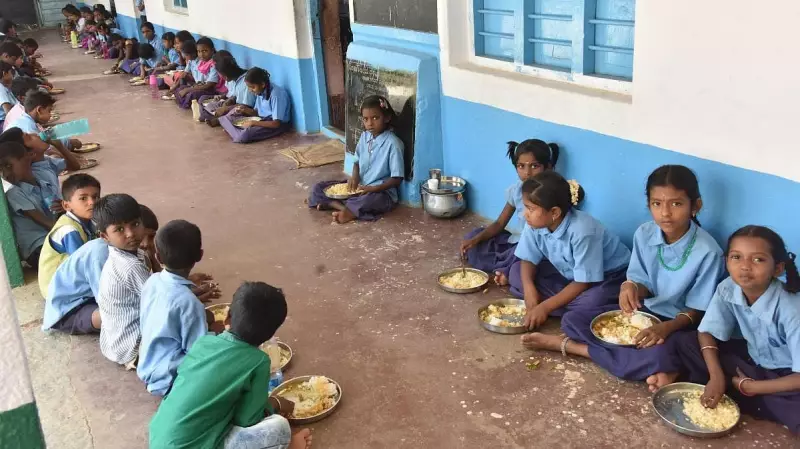
In a significant move to enhance child nutrition and educational outcomes, the Karnataka government has announced a major expansion of its flagship mid-day meal programme. The scheme will now include younger children in pre-primary classes as well as older students in Pre-University (PU) colleges across the state.
Expanding the Nutritional Safety Net
The decision, revealed at a press conference on 21 December 2025, marks a strategic shift in the state's approach to tackling student welfare. Previously, the mid-day meal scheme primarily targeted children from classes 1 to 10. The new expansion is designed to create a continuous nutritional support system from the foundational years right through to the pre-college level.
State officials emphasized that this initiative is squarely aimed at addressing malnutrition among students. By providing a guaranteed nutritious meal, the government hopes to improve concentration, reduce absenteeism, and create a more conducive environment for learning. The inclusion of PU students is particularly notable, as this age group is often excluded from such welfare schemes despite facing academic pressure and nutritional needs.

New School Initiatives Launched
Alongside the meal scheme expansion, the government has introduced a suite of new initiatives for schools. While full details are to be rolled out, the broad focus areas include:
- Enhancing foundational literacy and numeracy in early grades.
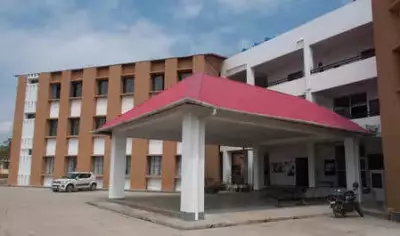
- Upgrading school infrastructure, particularly in rural and remote areas.
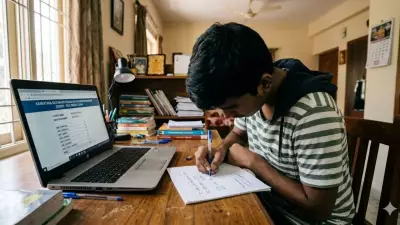
- Integrating technology-aided learning tools to make education more engaging.
The press conference underscored that these measures are interlinked. Improved nutrition is seen as the bedrock upon which other educational improvements can be built. A well-nourished student is better equipped to participate in class, grasp complex concepts, and perform to their full potential.
Implications and Expected Outcomes
This policy expansion has wide-ranging implications for Karnataka's education landscape. Extending meals to pre-primary children aligns with the National Education Policy 2020's stress on the critical importance of early childhood care and education. It recognizes that learning challenges often stem from hunger and poor health in the formative years.
For PU students, the move provides not just nutritional support but also financial relief to families, potentially encouraging higher enrollment and retention in pre-university courses. The announcement reflects a holistic view of education, where student well-being is considered integral to academic success.
The success of this ambitious expansion will hinge on effective implementation, consistent quality of meals, and robust monitoring. If executed well, Karnataka's model could set a precedent for other states to follow in creating a seamless nutritional support system throughout a student's school journey.