University Staff in Kolkata Rally Against Central Pension Disbursement
Protests have erupted across state-aided universities in Kolkata over the centralised pension disbursement system. Staff members are voicing strong opposition to the Direct Payment of Pension and Gratuity (DPPG) mechanism. They argue this move threatens their retirement benefits and undermines the autonomy of their institutions.
Presidency University Leads the Charge
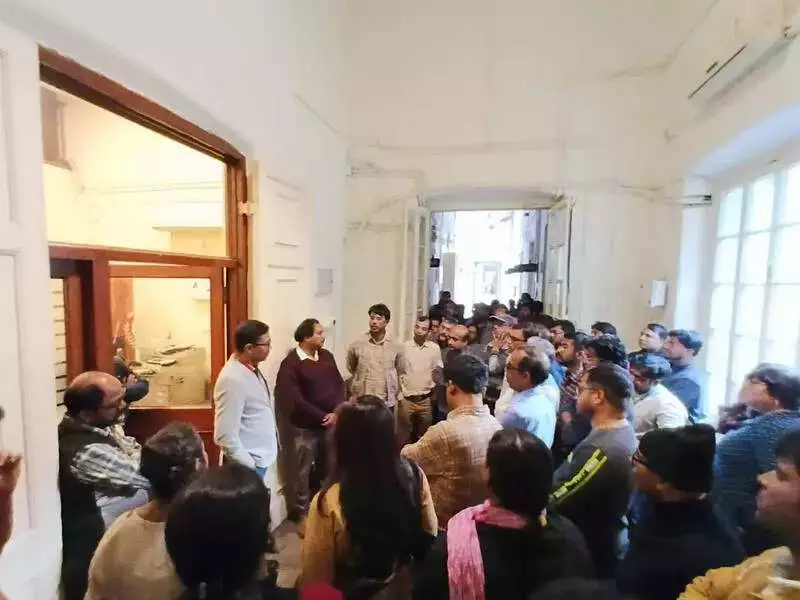
On Monday, around 200 staffers from Presidency University held a significant rally. This event highlighted growing discontent among teachers and non-teaching employees. Although the higher education department recently offered a relaxation until June 30, allowing universities to sanction retirement benefits without DPPG routing, the protestors demand more permanent solutions.
They insist universities must retain employer authority. The staff calls for ensuring 100% disbursement at retirement. They firmly reject DPPG mandates and advocate continuing the existing system.

Voices from the Protest
Chemistry professor Arnab Halder spoke passionately at the rally. He stated that pension commutation and leave encashment are personal legal entitlements. Routing these through government approval, he argued, infringes on employee rights. Halder also criticised the plan to release only 75% of pension and gratuity as provisional. He labeled this approach unjustified and inequitable.
The rally saw attendance from key union representatives. Partha Pratim Ray from the JUTA and Sanatan Chattopadhyay from the CUTA were present. Their participation underscores the widespread concern across university staff in the region.
Underlying Concerns and Demands
The protest reflects deeper anxieties about financial security and institutional control. Staff fear that centralising pension disbursement could lead to delays and reduced benefits. They emphasize the importance of maintaining the current system which they trust.
This movement is not just about immediate payments. It is about preserving the independence of state-aided universities. Employees believe that external control over pensions could set a precedent for further interference in academic and administrative matters.
The situation remains tense as staff await a formal response from authorities. The June 30 deadline looms, adding urgency to their demands for a permanent resolution that safeguards their retirement futures and institutional integrity.