LPG Cylinder Crisis Cripples Hospital Canteen Services in Chandigarh
A severe shortage of LPG cylinders is severely impacting canteen operations at major government hospitals in Chandigarh, creating significant challenges for thousands of patients and their caregivers who rely on these facilities daily. The crisis is hitting some of the city's most vulnerable populations hardest, as many patients come from families with limited financial means, making affordable in-house food services critically important.
Mobile Langar Vans Disappear, Canteens Slash Menus
The LPG shortage has forced several hospital facilities to dramatically reduce their food offerings, with some temporarily suspending operations entirely. Mobile langar vans, which typically provide essential meal services to hospital visitors, were notably absent on Friday due to the fuel crunch. While a few organizations managed to cook using firewood at the Post Graduate Institute of Medical Education and Research (PGI), no service vehicles were observed outside Government Medical College and Hospital Sector 32 (GMCH-32) or Government Multi-Specialty Hospital Sector 16 (GMSH-16).
At PGI, the canteen was compelled to halt cooking operations for two hours after completely exhausting its fuel supply. Although two cylinders arrived on Friday, popular menu items like chole bhature and dosa had to be removed from offerings. Canteen operator Gurnam Singh revealed they have formally requested the institute to provide a letter to their supplier, urging prioritization and stabilization of regular LPG deliveries.

Hospitals Resort to Survival Mode Cooking Methods
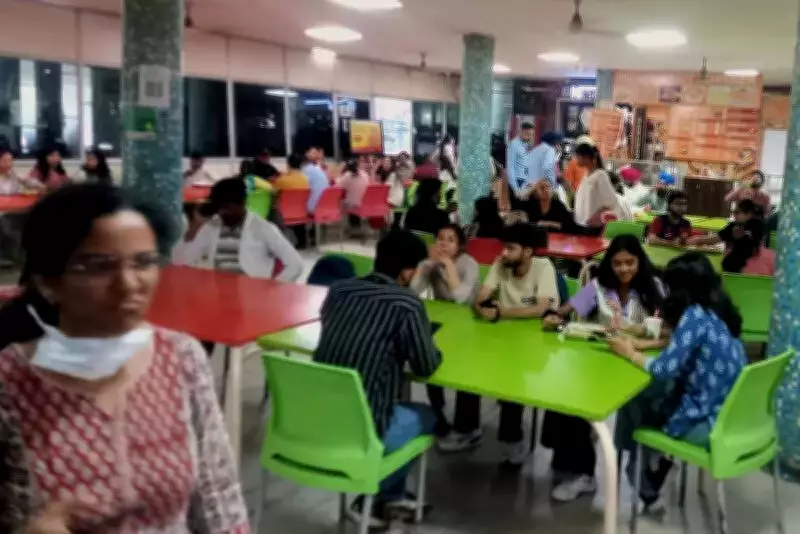
GMCH-32, which typically requires five cylinders daily, has entered survival mode, suspending dishes that require extended cooking times or tava preparation. Currently, canteens are offering limited dishes using alternative methods including induction cooktops, traditional tandoors, and firewood.
"For the last three to four days, LPG gas has been completely out of stock on the campus," explained G G Kumar, contractor for PGI's doctors' canteen. "Approximately 200 people visit us daily, but we are now unable to serve fast food items. We have shifted to using induction cooking as an alternative."
Patient Mess Facilities Maintain Stability Through Backup Planning
Dedicated mess facilities that provide meals directly to admitted patients have managed to maintain stability thus far. At GMCH-32, the mess operator secured backup cylinder stock, ensuring that daily dietary provisions for approximately 800 patients remain uninterrupted.
PGI mess services are also operating on a normal schedule currently. "PGI is not facing any significant issues at this time," stated Dr. Nancy Sahni, chief dietician at PGI. "The agency has assured us that hospital gas supplies will not be interrupted, as directed by Indian Oil Corporation. We are catering to around 2,000 patients daily, providing approximately 6,000 meals—three meals per patient."
UT Director of Health Services, Dr. Suman Singh, confirmed the LPG shortage at GMSH-16 but assured that alternative arrangements are being implemented. "We are transitioning to electric cooking and induction methods wherever feasible to ensure patient food supply remains uninterrupted," she emphasized.
Formal Appeals for Priority Status as Crisis Deepens
Meanwhile, the Association of Resident Doctors at PGI has written to gas agencies, demanding that hospital canteens be designated as priority zones for LPG distribution. Canteen operators have also formally notified hospital administrations, warning that if the cylinder shortage persists, services may collapse entirely, creating a humanitarian crisis for patients and caregivers who depend on these essential food services.
The situation highlights the broader impact of fuel shortages on critical healthcare infrastructure, particularly affecting vulnerable populations who rely on hospital canteens for affordable, safe nutrition during medical treatment.