California Governor Proposes Major Education Governance Overhaul
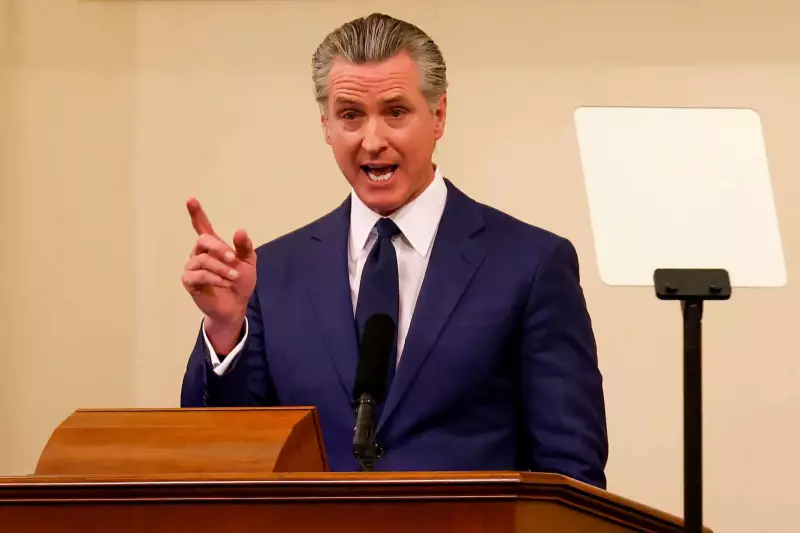
California Governor Gavin Newsom has unveiled a significant proposal to transform the state's K-12 education system. The plan seeks to simplify what many describe as an overly complex governance structure. Newsom aims to make it easier to support students and schools across California.
Shifting Power from Elected Superintendent to State Board
Under the proposed changes, the elected State Superintendent of Public Instruction would see reduced authority. Meanwhile, the State Board of Education would gain more control over the California Department of Education. This 11-member board consists of governor-appointed members who would oversee department operations.
Governor Newsom emphasized the urgency of these reforms. He stated that California can no longer postpone changes that have been recommended for a century. "These critical reforms will bring greater accountability, clarity and coherence to how we serve our students and schools," Newsom declared.

Addressing Longstanding Complexity
Policy experts have consistently described California's education governance as complicated. Multiple entities share overlapping responsibilities including the governor, superintendent, state board, legislature, and local school boards. This complex arrangement often slows decision-making processes. It can also hinder effective responses to student needs.
If approved, the State Superintendent would shift from managing daily operations to coordinating education policies. This coordination would span all educational levels from early childhood through post-secondary education. The precise responsibilities under this new arrangement remain undefined.
Historical Context and Previous Attempts
California stands among only nine U.S. states where voters elect the top schools official. Most other states have governors or state boards appoint this position. The idea of reducing the superintendent's power is not new.
Decades of reports and ballot measures have suggested similar reforms. In 2023, a proposed constitutional amendment called ACA 9 would have made the superintendent position appointed by the governor. Strong opposition from teachers' unions and school boards led to its withdrawal. Recommendations for governance changes date back to 1920 and 2002.
Current Superintendent's Position
Current State Superintendent Tony Thurmond completes his second term in 2026. During his tenure, the department expanded literacy programs, community schools, and student wellness initiatives. Thurmond has also faced criticism regarding side employment and workplace environment issues. He is currently running for governor.
Support from Education Organizations
Newsom's proposal has garnered support from several education groups. These include the Association of California School Administrators and California Association of School Business Officials. Californians Together and EdTrust-West, which focuses on educational equity, also back the plan.
Christopher Nellum, executive director of EdTrust-West, called the reforms "essential." He emphasized their importance for reducing longstanding inequities affecting vulnerable student populations. These include low-income students, students of color, and multilingual learners.
Aligning with Recent Recommendations
The governor's proposal echoes findings from a December 2025 Policy Analysis for California Education report. That report called for a stronger, more coherent governance system. It highlighted the need to help schools navigate funding challenges, inequities, and pandemic-worsened learning gaps.
Broader Educational Context
With federal involvement in K-12 education decreasing, California faces greater responsibility for educating children. Funding uncertainty adds to these challenges. Newsom's proposal aims to create a more accountable and efficient system. It seeks to better address student needs while tackling persistent inequities and opportunity gaps that have existed for decades.