Contaminated Water Crisis at Bhiwani Women's College Sparks Health Concerns
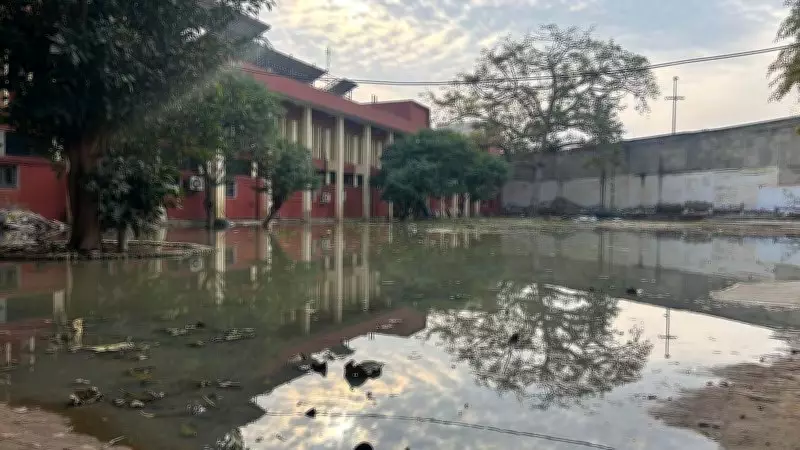
In a concerning development, contaminated water has accumulated at the campus of Bhiwani Women's College in Haryana, causing significant distress among students and staff. This issue has raised serious health and safety concerns, disrupting the academic environment and daily operations at the institution.
Health Risks and Campus Disruption
The accumulation of contaminated water poses a direct threat to the well-being of students and staff. Stagnant water can become a breeding ground for mosquitoes and other disease vectors, increasing the risk of waterborne illnesses such as dengue, malaria, and gastrointestinal infections. Students and staff have expressed frustration over the situation, highlighting how it affects their ability to focus on studies and work in a safe environment.
Reports indicate that the contaminated water has led to unpleasant odors and unsanitary conditions on campus. This not only impacts physical health but also contributes to mental stress and discomfort among the college community. The lack of clean water access for basic needs like drinking and sanitation further exacerbates the crisis.

Administrative Response and Community Outcry
Students and staff have voiced their concerns to college authorities, urging immediate action to resolve the water contamination issue. There are calls for thorough investigations into the source of the contamination, whether it stems from faulty drainage systems, sewage leaks, or external environmental factors. The college administration is under pressure to implement effective solutions, such as water purification measures and infrastructure repairs.
Local residents and parents have also joined in expressing alarm, as the health of students is a top priority. This incident underscores broader issues related to water management and public health infrastructure in the region, prompting discussions on long-term preventive measures.
Broader Implications for Educational Institutions
This crisis at Bhiwani Women's College highlights the critical need for robust water and sanitation facilities in educational institutions across India. Ensuring access to clean water is essential for maintaining a conducive learning environment and safeguarding student health. Similar incidents in other parts of the country have drawn attention to the importance of regular maintenance and monitoring of campus infrastructure.
Authorities are urged to take swift action to address the immediate concerns while also developing sustainable strategies to prevent future occurrences. The well-being of students and staff must remain a central focus in campus management and policy-making.