US Tariff Reduction Ignites Optimism in Bengal's Leather Sector
Kolkata's renowned leather industry is experiencing a significant resurgence following the United States' decision to slash tariffs on Indian goods to 18% under the newly implemented India-US trade agreement. This substantial reduction from the previous penal rate of 50% has injected fresh hope into a sector that was grappling with severe challenges.
From Job Losses to Hiring Revival
The leather manufacturing clusters across Kolkata—including Tangra, Beniapukur, and Bantala—had been operating under immense pressure for months. The earlier imposition of steep 50% duties by the US forced many units to scale back production and, unfortunately, let go of a portion of their workforce. Consignments were stalled and cancelled, creating an atmosphere of uncertainty.
"With orders drying up, we had no choice but to release some workers as it was severely impacting our profit margins," explained Asif Rahman, a manufacturing unit owner operating within the Bantala Leather Complex. "However, the lowered US tariff on Indian products and the consequent anticipation of returning business will lead manufacturers to hire back employees."

Industry insiders confirm that the upcoming hiring push is expected to include many of the workers who lost their jobs during these difficult times, marking a positive reversal of fortunes.
Economic Impact and Export Projections
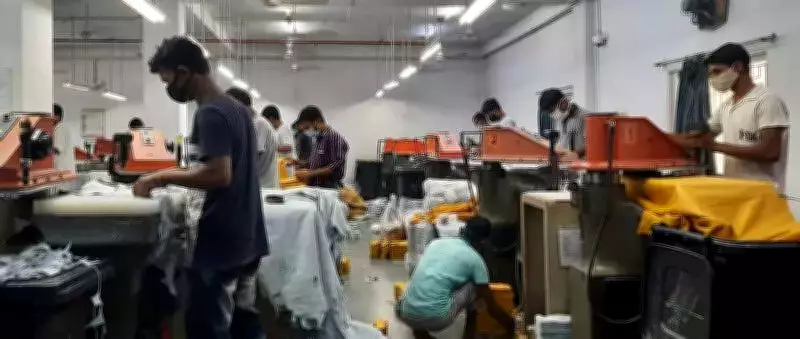
The Calcutta Leather Complex at Bantala stands as one of the largest leather hubs in the entire country. It employs approximately 500,000 workers, with nearly 60% engaged in export-oriented production. Spread across 538 tanneries and over 4,000 manufacturing units, this complex is responsible for driving about 50% of India's total leather goods exports.
Ramesh Juneja, Chairman of the Council for Leather Exports, shared optimistic projections with TOI: "By capitalising on this new tariff deal, we expect exports of leather goods from Bengal to the United States to increase by at least 30%. Currently, our state contributes 35% of leather goods exported to the US. This agreement provides a substantial boost for the sector, and we hope our export share will eventually reach 50%."
Strengthening Bengal's Leadership Position
West Bengal already leads India in leather exports, recording an impressive Rs 5,600 crore, which constitutes about 30% of the nation's total leather export value. Industry leaders are confident that the revised tariff structure will further solidify this dominant position.
Zia Nafis, Director of Nafis and Tanning Industries, expressed relief at the long-awaited deal: "The Calcutta Leather Complex at Bantala, along with the broader eastern India leather sector, will benefit tremendously as our international competitors now face higher tariffs. We anticipate exports in key segments like leather goods and industrial gloves to potentially double."
Amit Gupta, an exporter based in Bantala, echoed this sentiment, noting that the new tariff regime will enhance the competitiveness of Indian products against rivals from countries like Bangladesh and Vietnam.
Any revival in overseas demand is projected to have a direct and substantial impact on employment within this labor-intensive industry, bringing much-needed stability and growth to Kolkata's economic landscape.