

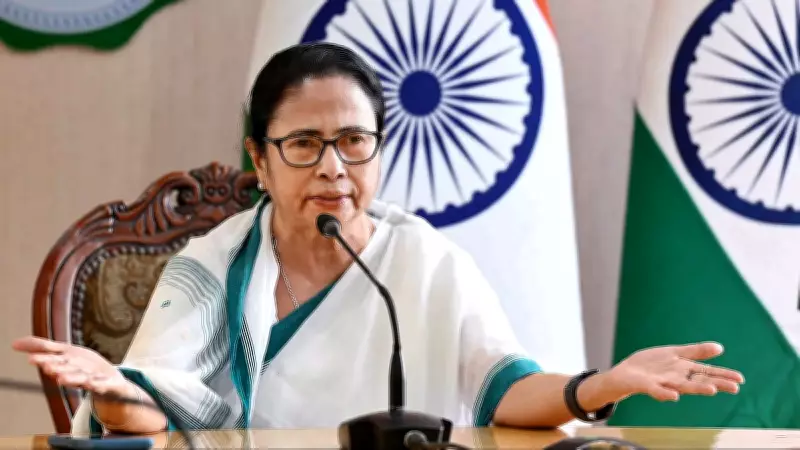
Supreme Court to Hear Mamata Banerjee's Plea Against SIR on Wednesday
The Supreme Court of India is scheduled to hear a significant plea filed by West Bengal Chief Minister Mamata Banerjee on Wednesday. The plea challenges the Special Intensive Revision (SIR) of electoral rolls in her state, marking a crucial development in the ongoing political and legal discourse surrounding electoral processes in West Bengal.
Banerjee May Attend the Apex Court Hearing
According to reports, Mamata Banerjee might personally attend the apex court during the hearing on Wednesday. This potential appearance underscores the importance of the case, as it involves a batch of petitions that question the validity and implementation of the SIR in West Bengal. The hearing is expected to be a pivotal moment in the legal battle over electoral roll revisions, with implications for the state's political landscape.
Background on the Special Intensive Revision
The Special Intensive Revision of electoral rolls has been a contentious issue in West Bengal, with critics arguing that it could lead to discrepancies and affect voter lists. Mamata Banerjee's plea is part of broader efforts to address concerns about the fairness and transparency of the electoral process. The Supreme Court's decision to hear the case highlights the judiciary's role in overseeing electoral matters and ensuring democratic integrity.

Key Points of the Hearing:
- The hearing is set for Wednesday, as confirmed by recent updates.
- It involves multiple petitions challenging the SIR, making it a consolidated case.
- Mamata Banerjee's potential attendance adds a personal dimension to the legal proceedings.
- The outcome could impact future electoral roll revisions and political strategies in West Bengal.
Implications for Indian Politics
This case is not just a legal matter but also a political one, reflecting the tensions between state and central authorities over electoral governance. As the Supreme Court deliberates, the hearing will be closely watched by political analysts, legal experts, and the public. It serves as a reminder of the critical role that judicial oversight plays in maintaining electoral fairness in India's vibrant democracy.
Note: The hearing is based on petitions filed against the SIR, and the Supreme Court's ruling could set precedents for similar cases across the country.






