

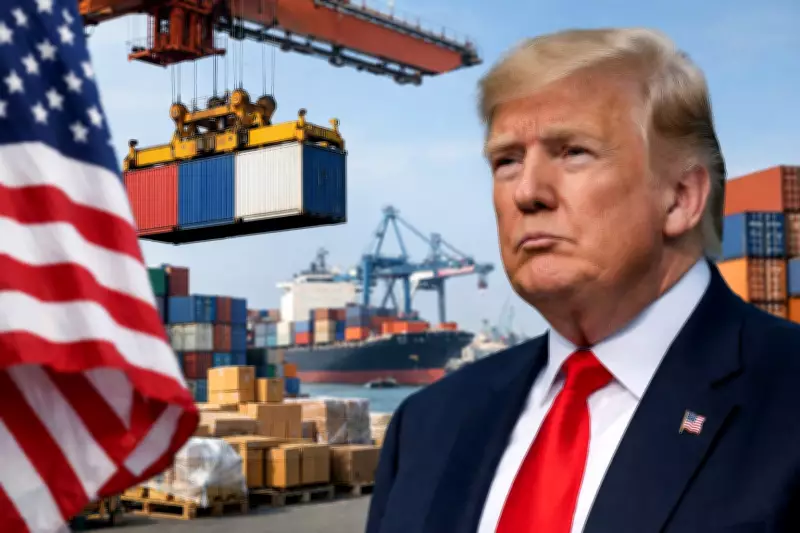
US Customs to Cease Trump Tariff Collections After Supreme Court Decision
In a significant development for international trade, the US Customs and Border Protection (CBP) has announced it will stop collecting tariffs imposed under President Donald Trump's International Emergency Economic Powers Act (IEEPA) orders. This move comes three days after the US Supreme Court struck down these tariffs, with the cessation set to begin at 12:01 a.m. EST (0501 GMT) on Tuesday.
Details of the Tariff Suspension
According to a notice sent to shippers via the Cargo Systems Messaging Service (CSMS), CBP will deactivate all tariff codes linked to Trump's earlier IEEPA orders starting Tuesday. However, the agency did not specify why these tariffs continued to be collected at ports of entry in the days following the court's ruling. The communication also left unanswered whether importers would receive refunds for duties paid during this period.
Important Note: The suspension applies only to IEEPA-related tariffs. Other duties introduced by Trump, such as those under the Section 232 national security law and the Section 301 unfair trade practices law, remain unaffected and will continue to be enforced.

New Tariffs and Legal Framework
Simultaneously, President Trump has rolled out a fresh 15% global tariff under a separate legal authority. This new measure is intended to replace the duties invalidated by the Supreme Court earlier last week, highlighting ongoing shifts in US trade policy. CBP has stated it will provide additional guidance to the trade community through CSMS messages as appropriate to address these changes.
Financial Implications and Refund Estimates
The Supreme Court's verdict could have substantial financial repercussions. Citing estimates from Penn-Wharton Budget Model economists, Reuters reported that more than $175 billion in US Treasury revenue from IEEPA tariffs may be eligible for refunds. Their ground-up forecasting model suggested that the IEEPA-based duties had been generating over $500 million a day in gross revenue, underscoring the economic scale of this policy reversal.
This development marks a pivotal moment in US trade regulations, with immediate effects on importers and global commerce. Stakeholders are advised to monitor further updates from CBP for clarity on refund processes and compliance with the new tariff structure.






