

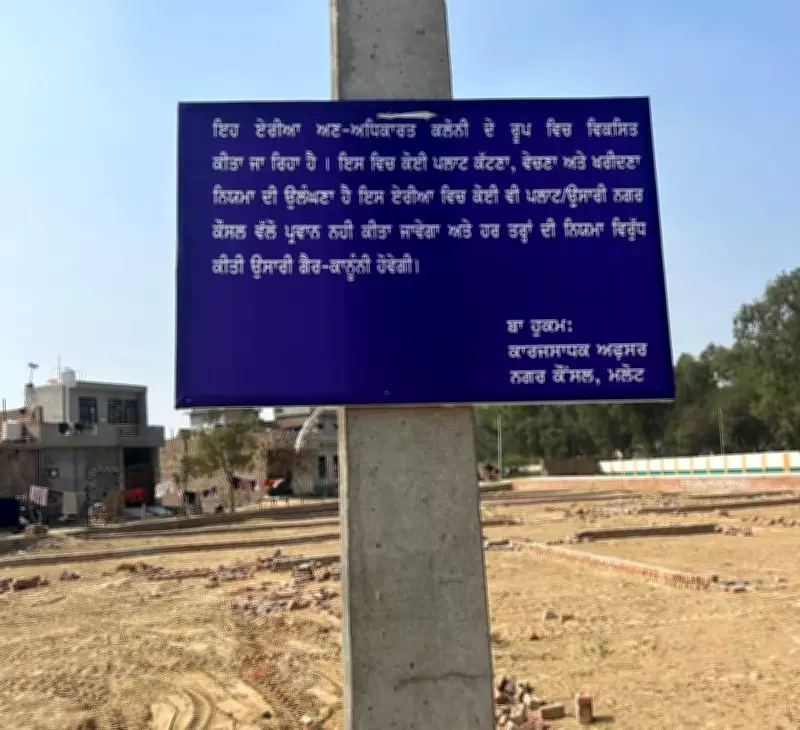
Unapproved Colony in Malout Faces Action After Minister's Directions
In a significant development in Bathinda district, authorities are poised to take strict action against an unapproved colony located in Malout. This move comes directly in response to explicit directions issued by a minister, underscoring the government's commitment to enforcing urban planning regulations and addressing illegal constructions that have proliferated in the region.
Minister's Intervention Spurs Action
The decision to crack down on the unauthorized colony was triggered by the minister's directives, which emphasized the need for immediate compliance with legal norms. Officials from the local administration and urban development departments have been instructed to initiate proceedings against the colony, which has been operating without the necessary approvals and permits. This intervention highlights the ongoing challenges in managing urban sprawl and ensuring that development adheres to sanctioned plans, particularly in rapidly growing areas like Malout.
Details of the Unauthorized Colony
The colony in question has been identified as operating without proper authorization, raising concerns about infrastructure, safety, and environmental impacts. Residents and developers involved in the colony now face potential legal consequences, including fines, demolition orders, or regularization processes if deemed feasible. Authorities are conducting thorough inspections to assess the extent of the violations and determine the appropriate course of action, which may involve coordination with multiple government agencies to address the complex issues surrounding unauthorized settlements.

Broader Implications for Urban Planning
This case is part of a larger trend in Bathinda and other parts of Punjab, where unapproved colonies have emerged due to lax enforcement and increasing demand for housing. The minister's directions signal a renewed focus on tightening oversight and promoting sustainable urban development. Experts note that such actions are crucial for preventing haphazard growth, ensuring access to basic amenities like water and electricity, and maintaining public health standards. The outcome of this action could set a precedent for similar cases across the state, encouraging stricter adherence to planning laws.
Next Steps and Community Response
Local authorities are expected to issue formal notices to the stakeholders of the colony, outlining the violations and required corrective measures. Community members have expressed mixed reactions, with some supporting the crackdown for its potential to improve living conditions, while others worry about displacement and legal hassles. The government has assured that due process will be followed, with options for regularization considered where possible, to balance enforcement with humanitarian concerns. This incident serves as a reminder of the importance of obtaining proper approvals before undertaking construction projects.






