Justice Nagamohan Das Seeks Karnataka Government Clarification on SC Internal Quota in Recruitment
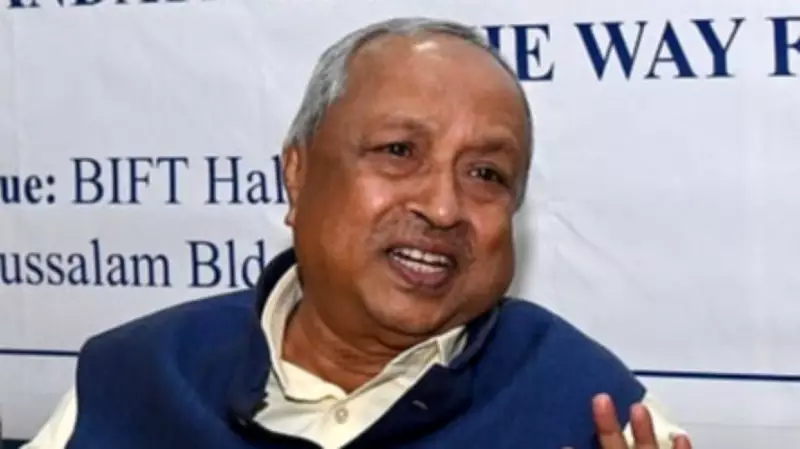
Justice Nagamohan Das, the esteemed former judge who led the one-man commission on internal reservation for Scheduled Castes in Karnataka, has formally requested the state government to provide a detailed clarification regarding the implementation of internal quotas within the existing reservation framework for state recruitment.
Key Demand for Accommodation Within 15% Quota
In a significant development, Justice Das has specifically sought clarification from the Karnataka government on how the proposed internal reservation for Scheduled Castes will be accommodated within the current 15% quota allocated for SC communities in state government recruitment processes. This move underscores the ongoing efforts to ensure equitable distribution of reservation benefits among various sub-groups within the Scheduled Castes.
The commission, headed by Justice Das, was established to examine and recommend measures for internal reservation to address disparities within the SC community. The demand for clarification highlights the need for transparent and structured implementation to prevent legal ambiguities and ensure compliance with constitutional provisions.
Background and Implications
The issue of internal reservation has been a contentious topic in Karnataka, with various groups advocating for a more nuanced approach to reservation policies to benefit the most marginalized sections within Scheduled Castes. Justice Das's commission was tasked with studying these demands and providing recommendations to the state government.
The current request for clarification is seen as a crucial step towards operationalizing the commission's findings. It aims to ensure that any internal reservation mechanism does not exceed the overall 15% quota reserved for SCs, thereby maintaining the balance with other reserved categories and the general merit pool.
Government Response and Next Steps
The Karnataka government is now expected to review Justice Das's request and provide a formal response. This clarification will be pivotal in shaping future recruitment policies and could have far-reaching implications for social justice and employment equity in the state.
Observers note that a clear government stance on this matter will help in avoiding potential legal challenges and ensure smooth implementation of reservation policies. The outcome is anticipated to influence similar debates in other states considering internal reservation mechanisms within their SC quotas.
As the situation develops, stakeholders from various communities, legal experts, and social activists will be closely monitoring the government's response to Justice Nagamohan Das's clarification request, which marks a critical juncture in Karnataka's reservation policy landscape.