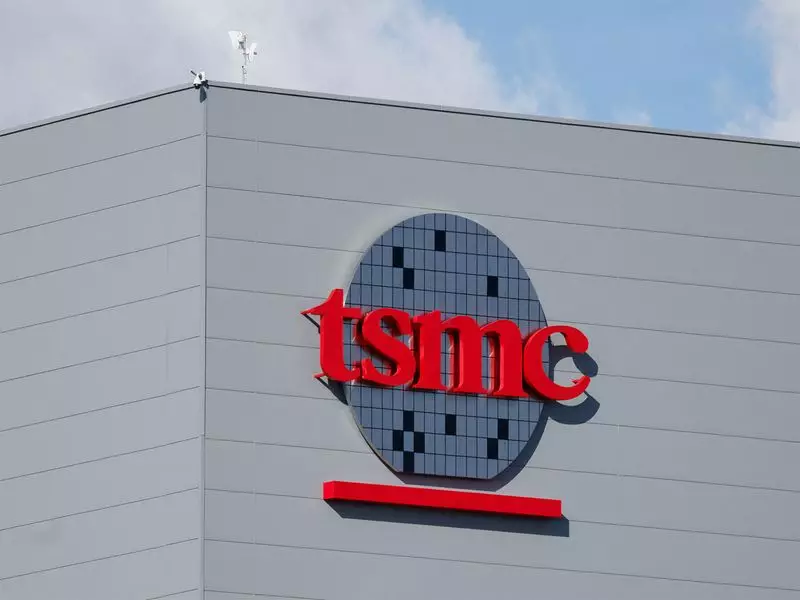
In a significant development for the global semiconductor industry, Taiwan Semiconductor Manufacturing Company (TSMC) has secured substantial financial support from the United States government. The world's leading chipmaker will receive $4.71 billion in direct funding under the CHIPS and Science Act to accelerate its semiconductor manufacturing expansion in Arizona.
Major Investment in American Semiconductor Production
The Biden administration's commitment to TSMC represents one of the largest awards from the $52 billion CHIPS Act program. This substantial subsidy will support TSMC's ambitious plans to build three advanced semiconductor fabrication plants in Phoenix, Arizona, with total private investment expected to exceed $65 billion.
According to the preliminary agreement announced by the US Commerce Department, TSMC will also have the option to access approximately $5 billion in proposed loans beyond the direct funding. This comprehensive financial package underscores the strategic importance the US places on rebuilding its domestic semiconductor manufacturing capabilities.

Global Semiconductor Race Intensifies
The massive subsidy to TSMC comes amid growing technological competition between the United States and China. Over the past two years, China has invested heavily in expanding its own chip manufacturing capacity, pouring substantial resources into developing domestic semiconductor capabilities despite facing export restrictions on advanced chipmaking equipment.
Meanwhile, other major economies including Japan and Germany have also been actively supporting their semiconductor industries through various incentive programs and policy measures. This global race to secure chip manufacturing capacity has become a top priority for governments worldwide following the severe supply chain disruptions experienced during the pandemic.
Strategic Implications for Global Tech Supply Chains
TSMC's expanded presence in Arizona represents a crucial step toward diversifying the global semiconductor supply chain away from concentrated production in East Asia. The company's Arizona facilities are expected to manufacture some of the most advanced chips required for everything from smartphones and computers to automotive applications and defense systems.
The first TSMC facility in Arizona is scheduled to begin production using 4-nanometer technology in the first half of 2025. The second plant will focus on even more advanced 2-nanometer chips, with mass production targeted for 2028. The third facility will further expand TSMC's advanced manufacturing capabilities in the United States.
This strategic investment not only strengthens America's technological independence but also creates significant economic opportunities. The TSMC projects are expected to generate approximately 6,000 high-tech manufacturing jobs and thousands more indirect positions across the semiconductor ecosystem.
The US Commerce Department emphasized that the agreement includes strong protections for American taxpayers, with funding being provided in stages as TSMC meets specific construction and production milestones. The deal also includes provisions for sharing excess profits with the US government and implementing measures to protect sensitive technology.
As the global semiconductor industry continues to evolve, TSMC's substantial subsidy from the US government marks a pivotal moment in the restructuring of high-tech manufacturing geography. This development signals a new era of strategic competition in advanced technology production that will shape economic and national security landscapes for years to come.