India has made a strategic decision at the highest level to diversify its oil purchases across multiple countries, thereby reducing dependence on any single region, according to former foreign secretary and current Rajya Sabha MP Harsh Vardhan Shringla. This policy shift aims to enhance national energy security and mitigate risks associated with geopolitical conflicts or supply chain disruptions.
Strategic Diversification of Oil Sources
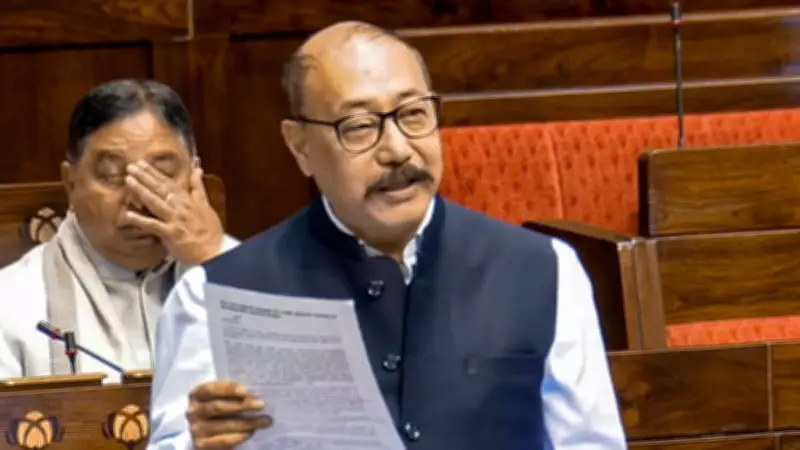
Speaking during the discussion on the Motion of Thanks on the President's Address in the Upper House, Shringla emphasized that approximately 80% of India's oil is imported. He explained that the government has consciously decided to balance oil procurement from various nations to avoid over-reliance on specific regions like the Gulf or Russia.
"We should balance this on a strategic level so that we are not largely dependent on one region," Shringla stated. "If there is any conflict or situations or blockage in one region, the supply chain will stop. The decision was taken at the strategic level that we will balance our buying; so, there will be buying from the US, Brazil, Guyana and other nations."

Decline in Russian Oil Imports
Addressing recent trends in oil imports, Shringla noted that India had been sourcing 30-40% of its oil from Russia over the past four years. However, he clarified that this percentage has been declining over the last three months. Importantly, he attributed this reduction not to direct government intervention but to market dynamics.
The decrease in Russian oil imports is primarily due to two factors:
- The narrowing price differential between Russian oil and other sources
- The increasing impact of international sanctions on Russia
Shringla highlighted that Indian companies and refineries make purchasing decisions based on price, suitability, and quality of oil. He recalled that before 2020, India was purchasing oil worth $6 billion from Venezuela, suggesting that availability of such alternatives in the international market benefits India's diversification strategy.
US-India Trade Deal Implications
Shringla's remarks come shortly after United States President Donald Trump announced the India-US trade deal, which includes India's agreement to stop buying Russian oil and increase purchases from the US and potentially Venezuela. Shringla elaborated on the benefits of this agreement for Indian exporters and industries.
He pointed out that the trade deal has reduced US tariffs on Indian goods from 50% to 18%, which is lower than rates applied to competitors like South Africa, China, Brazil, Vietnam, Bangladesh, Pakistan, Indonesia, and Malaysia.
"Exporters, small-scale industries, workers and farmers would get access to a high-value market," Shringla explained. "Right now, our bilateral trade with the US is $212 billion. By the end of this year, I believe it will reach $300 billion."
Negotiation Strategy and Domestic Priorities
Shringla defended the government's approach to negotiations, stating that despite pressure from opposition parties, domestic industries, and international sources, the government maintained its stance. He emphasized that Prime Minister Narendra Modi's policy of "India first" guided the negotiations.
"We took our time to negotiate this deal," Shringla said. "The government did not budge because our priority and Prime Minister Modi's policy is India first. We needed time to keep the agriculture and dairy sector secure."
This comprehensive approach reflects India's careful balancing act between securing favorable trade terms, protecting domestic sectors, and implementing a long-term energy security strategy through diversified oil procurement.