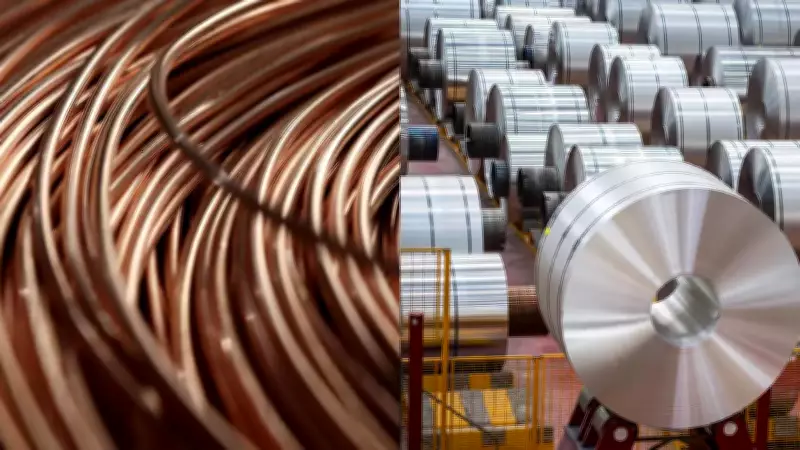
India's strategic metal sectors, including steel, aluminium, and copper, are set to endure ongoing challenges as steep US tariffs remain firmly in place. These tariffs, imposed under Section 232 provisions linked to national security concerns, continue to impact Indian exports significantly, despite recent trade adjustments.
Persistent High Tariffs on Key Metals
While a broader trade agreement has led to a reduction in reciprocal tariffs on various Indian goods from 25% to 18%, the tariffs on steel, aluminium, and copper have not seen similar relief. These metals are still subject to a hefty 50% duty, making Indian products considerably more expensive in the US market compared to imports from other countries.
For instance, steel and aluminium imports from the United Kingdom benefit from a lower tariff rate of 25%, placing Indian exporters at a competitive disadvantage. In the fiscal year 2025, India's exports of these metals to the US amounted to approximately $5 billion, highlighting the substantial economic impact of these persistent tariffs.

How Major Indian Companies Are Adapting
Leading Indian metal producers have adopted diverse strategies to navigate this challenging tariff landscape. Tata Steel's operations in India do not export to the US, though its UK unit engages in trade there. In contrast, JSW Steel has established local production facilities in Ohio and Texas, which shield it from import tariffs by manufacturing steel within the US.
Hindalco, a major player in aluminium and copper, exports minimal amounts of aluminium and no copper from India to the US, primarily due to robust domestic demand. However, its American subsidiary, Novelis, produces aluminium locally, ensuring that most of its US sales are not subject to tariffs. Despite this, Novelis still imports some aluminium from its Canadian facility, which faces the full 50% US tariff, affecting profit margins.
Industry Response and Future Outlook
To mitigate the impact of these tariffs, Novelis is actively expanding its US production capacity and optimizing operational costs. These measures are expected to largely offset the financial strain caused by the tariffs. On Tuesday, the aluminium trade body ALEMAI highlighted that the reciprocal tariffs provide relief only to select sectors, offering no respite for aluminium, iron, and steel exports.
These sectors continue to grapple with the 50% US duty under Section 232, which was doubled in June 2025. Gulzar Didwania, a partner at Deloitte India, commented on the situation, noting that an estimated portion of India's exports to the US will continue to face higher tariffs despite the trade deal. This underscores the ongoing challenges for India's metal industries in the global trade arena.