India-US Trade Agreement: Key Sectors Protected, Benefits Detailed
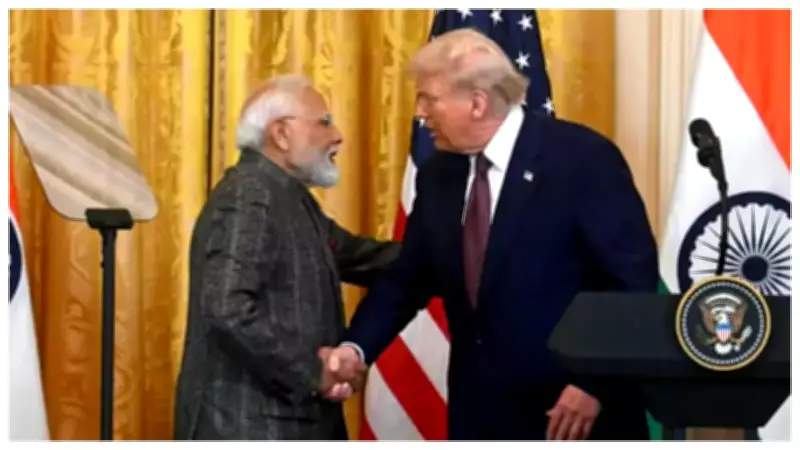
In a significant development, the Indian government has provided detailed clarifications on the recently announced trade agreement with the United States. This comes just a day after Prime Minister Narendra Modi and US President Donald Trump jointly declared that the two nations had reached a preliminary understanding on a bilateral trade pact. The government has now firmly asserted that sensitive domestic sectors, particularly agriculture and dairy, have been successfully shielded from potential adverse impacts.
Protection for Sensitive Sectors and Boost for Labor-Intensive Industries
Commerce and Industry Minister Piyush Goyal emphasized the government's unwavering commitment to safeguarding the interests of farmers and those involved in animal husbandry and dairy. "We all know how PM Modi is deeply concerned about the welfare of our farmers and dairy sector stakeholders. He has consistently prioritized their interests and ensured they are never compromised. Even in the negotiations with the United States, India's sensitive sectors—agriculture and dairy—have been robustly protected," Goyal stated. This protection likely means that key agricultural products such as cereals, maize, soybean, and genetically modified foods may be excluded from the final agreement.
Conversely, the deal is poised to provide substantial benefits to several labor-intensive Indian export sectors. Textiles, leather, marine products, and gems & jewellery are among the industries expected to gain significantly from improved market access and reduced tariffs in the US. Minister Goyal highlighted that Prime Minister Modi secured favorable terms for India, which he described as better than offers made by the US to some other competing nations.

Agreement Details and Expected Finalization Timeline
The trade agreement, which has been under negotiation since February of the previous year, is now in its final stages. Indian and American officials are currently engaged in drafting a comprehensive joint statement, with expectations that the document will be finalized within the next few days. The announcement late on Monday by both leaders indicated that a deal had been reached, including a commitment to slash tariffs on certain Indian imports from 50% to 18%.
President Trump further claimed that India would import oil, coal, technology, and agricultural products worth approximately $500 billion from the United States. This figure raised eyebrows, given that India's total goods imports for the 2024-25 fiscal year amounted to $721 billion. However, sources familiar with the discussions clarified that goods imports from the US are projected to reach around $100 billion annually over the next five years, a significant increase from the $46 billion recorded last year.
Strategic Import Increases and Phased Concessions
As part of the agreement, India is expected to substantially increase imports of specific high-value products from the United States. These include oil, liquefied natural gas (LNG), high-value semiconductor chips, equipment for data centers, aircraft and their components, and nuclear equipment. Notably, some of these items were already granted duty-free import status in the recent Union Budget, aligning with India's growing demand in areas like coking coal, chips, and aviation technology.
In return, India will gain lower duty access for its goods in the US market, which is anticipated to revitalize labor-intensive sectors and micro, small, and medium enterprises (MSMEs). These industries had been adversely affected by steep tariffs imposed by the Trump administration in August of the previous year. "So, actually our exports will pick up now, that is my expectation... along with having found new markets where they will continue to be sold," commented Finance Minister Nirmala Sitharaman, expressing optimism about the deal's positive impact on Indian exports.

Negotiation Challenges and Future Outlook
The negotiation process was not without its challenges. The Trump administration had exerted considerable pressure on India to open up its dairy and agriculture sectors by reducing import duties. However, the Modi government held firm on its stance, and Goyal's recent statements indicate that India successfully persuaded US negotiators to not let these sensitive areas become a stumbling block in the agreement.
Some tariff concessions to the United States will be implemented in a phased manner over a period of time. Additionally, certain items may be allowed through import quotas, a mechanism similar to those employed in India's recent free trade agreements with the European Union, New Zealand, and the United Kingdom. This structured approach aims to balance immediate economic benefits with long-term strategic interests.
As the final details are ironed out, the India-US trade deal represents a carefully negotiated balance, protecting vital domestic sectors while unlocking new opportunities for key export industries. The coming weeks are crucial as both nations work towards formalizing an agreement that could reshape bilateral trade relations for years to come.