Spanish Skater's Olympic Preparation Thrown Into Chaos by Copyright Issue
In a dramatic turn of events just days before the Winter Olympics commence in Milan-Cortina, Spanish figure skater Tomas-Llorenc Guarino Sabate finds himself in a race against time to completely overhaul his competition program. The 26-year-old athlete, who had built his entire season around a signature routine, has been informed he can no longer use his beloved Despicable Me-inspired performance due to unexpected copyright clearance problems.
The Minion Program That Captivated Fans
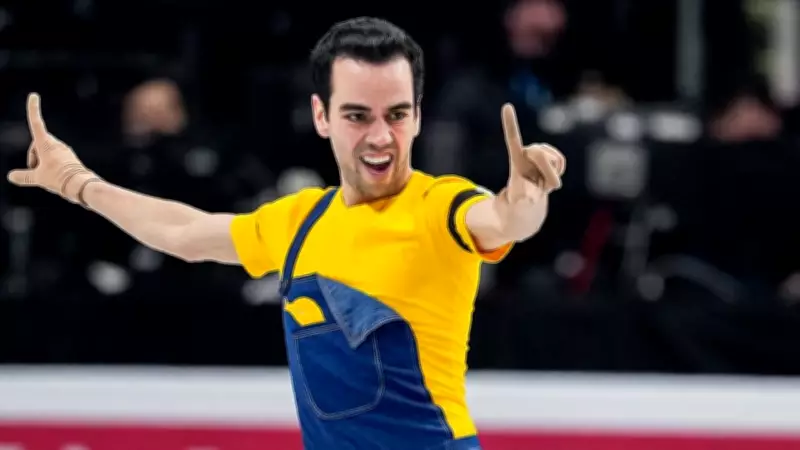
Guarino Sabate had become something of a fan favorite throughout the competitive season with his distinctive yellow and blue costume and energetic routine set to music from the popular animated film franchise. The program had served as his competitive signature, helping him stand out in multiple international events where he had successfully used the music after clearing it through official International Skating Union channels back in August.
The timing of the decision has created particular controversy, coming just one week before the Olympic inauguration when athletes are typically finalizing their preparations rather than rebuilding entire programs from scratch. The men's figure skating competition is scheduled to begin on February 10, leaving minimal time for adjustment and practice with new music.

Athlete's Official Statement and Fan Reaction
Guarino Sabate took to social media to personally explain the situation, emphasizing that this was not due to any oversight on his part. "I followed all required procedures and submitted my music through the ISU ClicknClear system back in August, and I competed with this program throughout the entire season," he wrote in his public statement.
The skater expressed his profound disappointment at receiving the news so close to what he described as "the biggest competition of my life," but maintained a determined outlook. "Nevertheless, I will face this challenge head-on and do everything I can to make the best of the situation," he assured his supporters.
Fans have responded with both sympathy and outrage across social media platforms, with many calling for organizers to reconsider the decision. One supporter passionately wrote, "Are these people not full of joy & whimsy let the minion skate!!" while another lamented, "Well. There it goes. The last thing in the world that brought me joy."
Broader Copyright Issues in Figure Skating
This incident highlights a growing concern within the figure skating community regarding music licensing and copyright clearance. Some fans have directed their frustration toward NBC, which holds U.S. broadcast rights for the Olympics, and Universal Pictures, owner of Illumination Entertainment which produces the Despicable Me films.
Guarino Sabate's situation is not isolated in the world of competitive figure skating. Reigning world champion Alysa Liu recently revealed she may face similar restrictions with her planned use of Lady Gaga's "Bloody Mary" despite having performed to it successfully at the 2026 U.S. Figure Skating Championships.
These cases underscore the complex intersection of sports, entertainment, and intellectual property rights that athletes must navigate in the modern competitive landscape.
Moving Forward Against the Clock
As the Olympic clock continues to tick, Guarino Sabate must now focus on creating and perfecting an entirely new program while managing the emotional impact of this last-minute disruption. His commitment to his fans remains unwavering, as he promised to "step on the ice with everything I have and deliver programs that both you and I can be proud of."
The situation serves as a stark reminder of how external factors beyond athletic preparation can significantly impact Olympic dreams, while also raising important questions about how copyright issues are managed in major international sporting events.