In a major push for defence self-reliance, India is taking decisive steps to strengthen its arsenal with advanced indigenous weaponry. This strategic move comes on the heels of the successful Operation Sindoor, which showcased the potency of precision firepower.
From French Imports to 'Made in India' Hammers
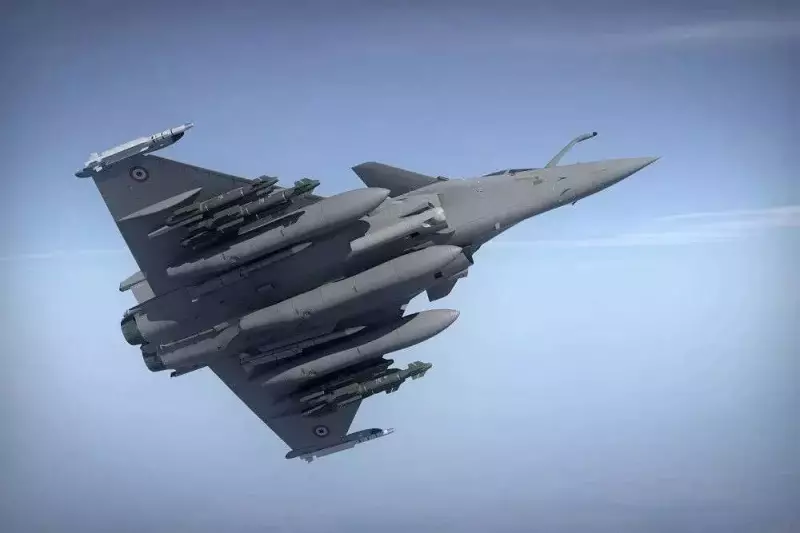
The government has now decided to locally manufacture the highly effective French-origin Hammer (Highly Agile Modular Munition Extended Range) precision-guided weapons. This initiative follows their successful combat debut on May 7, when Indian fighter jets used them, among other munitions, to destroy terror infrastructure deep inside Pakistan and Pakistan-occupied Kashmir.
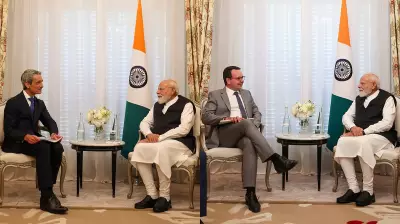
To facilitate this, a key agreement was recently signed between state-run Bharat Electronics Limited (BEL) and France’s Safran Electronics & Defence. Once produced locally, these versatile air-to-ground munitions will be integrated with the Indian Air Force's frontline Rafale and the indigenous Tejas fighter jets, significantly boosting their strike capabilities.

A Massive Order for Indigenous Kamikaze Drones
Parallel to the Hammer production plan, the Indian Army has placed a colossal order worth ₹5000 crore for indigenously developed loitering munitions, often referred to as kamikaze drones. These systems represent a cutting-edge capability in modern warfare.
The drones are specifically designed to operate effectively in heavily contested electronic warfare environments, capable of overcoming spoofing and jamming attempts. This order underscores the military's confidence in homegrown technology to meet complex battlefield challenges.
Building on Operational Success for Strategic Autonomy
The twin announcements mark a clear trajectory for India's defence posture. Operation Sindoor served as a real-world validation of precision stand-off weapons, directly informing current procurement and manufacturing strategies.
The focus is squarely on achieving greater strategic autonomy by reducing foreign dependence. Local manufacturing of systems like the Hammer missile not only secures the supply chain but also fosters deeper technology transfer and strengthens the domestic defence industrial ecosystem.
This concerted 'hammer and tongs' approach—combining the local production of proven foreign designs with large-scale orders for entirely indigenous systems—signals India's serious commitment to becoming a defence manufacturing powerhouse.