India Fortifies Trade Defenses as Import Controls Ease
The Indian government is significantly strengthening its anti-dumping mechanisms as the country undergoes a major overhaul of quality control orders (QCOs) that has already led to the rollback of standards on more than 20 products. This comprehensive revamp could potentially expand to cover 208 products if recommendations from Niti Aayog are fully implemented, creating conditions for increased import volumes.
The Directorate General of Trade Remedies (DGTR), the anti-dumping wing of the Commerce and Industry Ministry, is actively developing provisional legal measures designed to provide quicker responses to domestic industries facing challenges from dumped goods entering the Indian market from various countries.
Accelerated Response Framework Takes Shape
A senior government official confirmed that internal timelines have been established to complete dumping investigations more swiftly. "We are strengthening our DGTR framework to ensure we can respond to industry's concerns over dumping in a time-bound and faster manner," the official stated. "We are examining provisional measures required in cases where clear evidence exists of injury to domestic industry. These legal provisions align with practices employed by other nations."

According to World Trade Organization (WTO) definitions, dumping occurs when a country exports products at prices lower than their "normal value," typically meaning below domestic prices or production costs. While dumping itself isn't illegal, WTO rules permit importing countries to take protective action when material injury to domestic industries is demonstrated.
Trade Turbulence and Import Surge
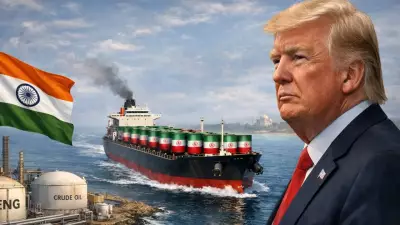
These developments unfold against a backdrop of significant trade disruption caused by recent US tariff policies that are reshaping global trade patterns, particularly affecting Chinese goods. As China's exports to the US have declined, its exports to other markets including India have shown noticeable increases.
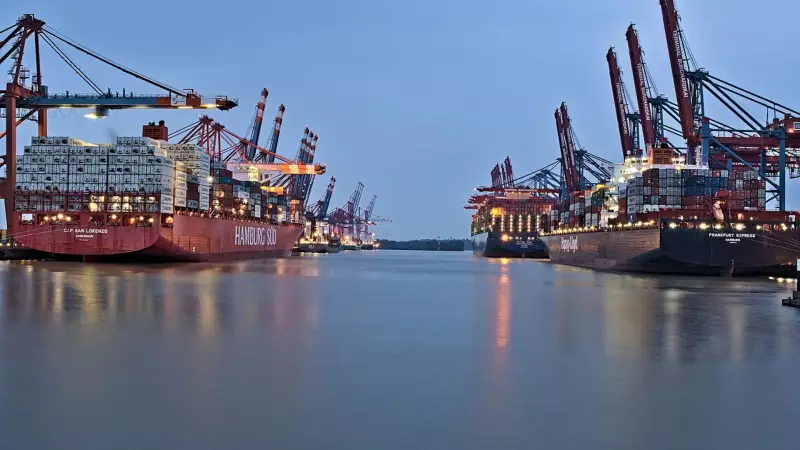
India's overall exports registered a concerning 12 percent decline in October, while imports surged to an unprecedented $76 billion during the same period. Although gold imports accounted for a substantial 200 percent increase in the import bill, non-oil and non-gold imports also rose by 12 percent according to official data released by the Commerce and Industry Ministry.
The absence of a trade agreement with the United States raises concerns about further export declines and import increases, potentially exacerbating the trade deficit which reached $41 billion in October - its highest level recorded.
Expert Warnings and Surveillance Measures
Ajay Srivastava, former trade officer and head of think tank Global Trade Research Initiative (GTRI), emphasized the critical need for vigilant monitoring as QCOs are rolled back. "For polymers, fibres, metals and intermediates where QCOs have been withdrawn, global suppliers may attempt to offload excess inventory at predatory prices," Srivastava cautioned.
He recommended continuous surveillance of customs data, DGTR alerts, and landed price patterns to enable swift government action through anti-dumping, safeguard, or tariff-rate measures if unfair trade practices emerge. "This approach preserves the benefits of the QCO rollback—lower costs, smoother supply chains—while protecting domestic industry from injury caused by dumped imports," Srivastava explained.
The potential for increased imports received additional impetus with Indian public sector refiners signing a one-year deal for American liquefied petroleum gas (LPG) imports, which could further elevate the import bill.
Historical Impact of Quality Control Orders
A working paper released by the Centre for Social and Economic Progress (CSEP) in September revealed significant findings about QCO effectiveness. The research indicated that imports fell by 13 percent in the year following QCO notification and by 24 percent over the long term, highlighting the substantial impact of the sharp increase in QCO implementation over the past three years.

Intermediate goods experienced the most pronounced declines, with QCOs leading to a 16 percent reduction in imports during the notification year, a 17.5 percent decline the following year, and a 30 percent decrease over the long term. The CSEP report concluded that "QCOs suppress imports — especially of intermediate inputs critical to domestic production — without improving export performance, challenging their efficacy in boosting competitiveness."
The expansion of QCO coverage has been dramatic, growing from fewer than 70 products between 2016 and 2025 to nearly 790 products, including one Omnibus Technical Requirement covering 20 products. These orders restrict the import, manufacturing, distribution, or sale of covered products without Standard Marks, except under valid licences from the Bureau of Indian Standards (BIS).
Despite current challenges, the government anticipates that various measures including loan moratoriums and the Export Promotion Mission will help stimulate export growth in the coming months.